Winter Storm Preparedness: Before, During, After
A winter storm can turn a normal week into several days without power, heat, or a clear road. The good news is that winter storms rarely arrive without warning - forecasters and public-safety agencies usually give you days of lead time to get ready. The families who come through comfortably are the ones who used that time.
This guide covers winter storm preparedness before, during, and after the storm: what to stock, how to keep your home and heat safe, how to drive - or better, avoid driving - in ice and snow, and how to look after older neighbours. It follows guidance from NOAA, FEMA, the Red Cross, and Public Safety Canada, and works for readers on both sides of the US-Canada border.
The short version
- A home winter storm kit should cover at least 72 hours (three days) of food, water, medications, and warmth for every person and pet.
- Keep a battery-powered NOAA Weather Radio (US) or Weatheradio (Canada) so official warnings reach you when power and phone service fail.
- Never run a generator, camp stove, or charcoal grill indoors or in a garage - carbon monoxide is invisible and odourless.
- Keep space heaters at least 3 feet (1 metre) from anything that can burn, and never leave them running unattended or while you sleep.
- Prepare your car with a winter emergency kit, keep the fuel tank at least half full, and tell someone your route and expected arrival time.
- After the storm, shovel carefully in small stages, watch for carbon monoxide and heart-strain risks, and check on older neighbours.
Know Your Risk and Understand Winter Weather Warnings
Different regions face different winter hazards. Some places get heavy snow, others get freezing rain and ice, and others mostly get dangerous cold and wind. Knowing what your area actually gets helps you prepare for the right thing.
Watch the official wording
Forecasters use specific terms, and they mean distinct things. In the US, the National Weather Service issues watches, warnings, and advisories; in Canada, Environment Canada and the provinces do the same:
- Watch: conditions are possible - get ready and stay tuned.
- Warning: hazardous conditions are expected or happening - act now.
- Advisory: less severe but still inconvenient or dangerous conditions.
- Blizzard warning: heavy snow or blowing snow combined with strong sustained winds, reducing visibility to near zero. Treat this as a stay-put signal.
Get the warnings directly
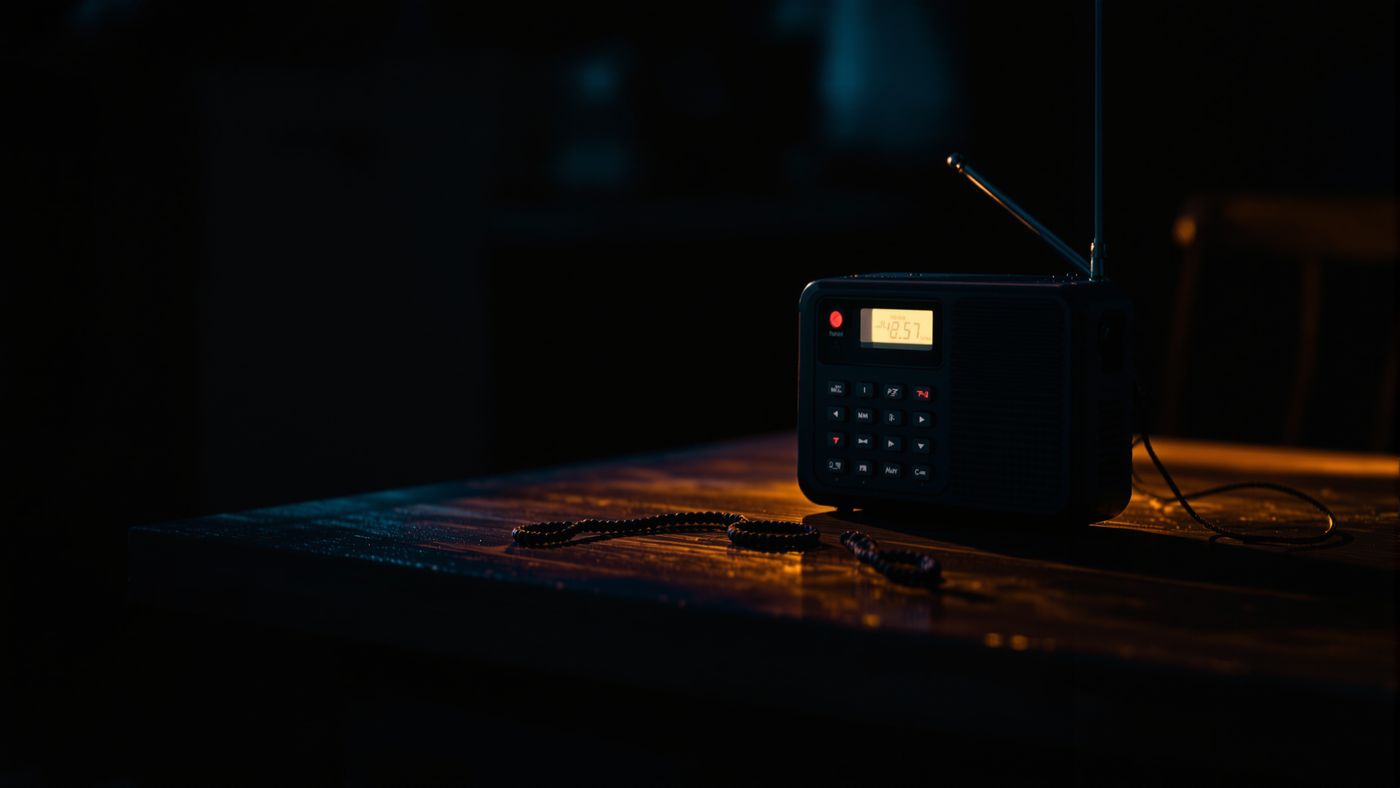
Keep wireless emergency alerts switched on - these are called Wireless Emergency Alerts in the US and Alert Ready in Canada. Add a battery-powered NOAA Weather Radio (US) or Weatheradio (Canada) so official alerts reach you even when the power, internet, and mobile network are all down. That little radio is one of the best few dollars you can spend on preparedness.
Build a Winter Storm Kit for Home and Car
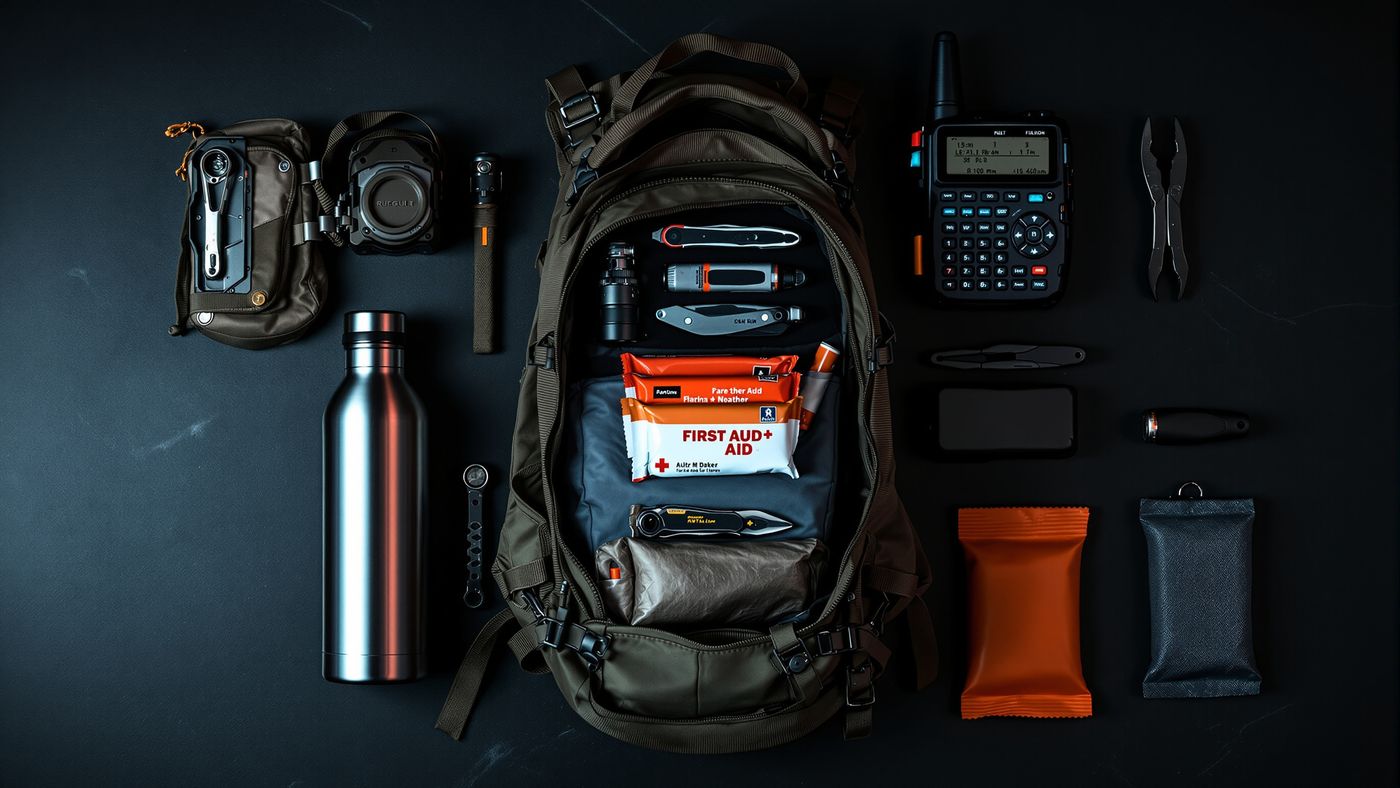
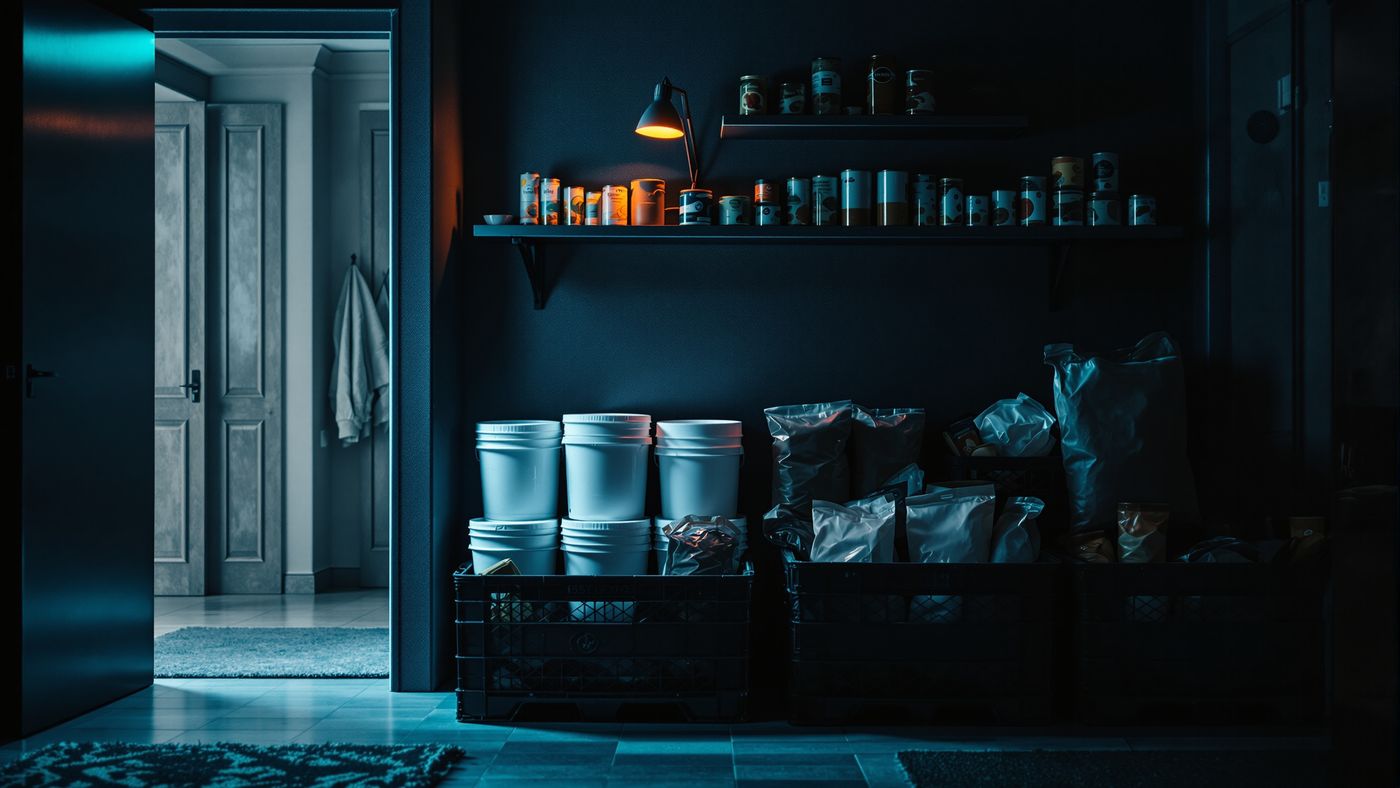
Stock enough to be self-sufficient for at least 72 hours - three days - without leaving home. That covers the length of most storm-related outages.
Home kit
| Category | What to keep on hand |
|---|---|
| Water | About 1 gallon (4 litres) per person per day, plus water for pets |
| Food | Non-perishable food you actually eat, and a manual can opener |
| Warmth | Blankets, sleeping bags, warm layers, hats, gloves, and hand warmers |
| Light | Flashlights or lanterns, and extra batteries |
| Power | Charged power banks, and a car charger for phones |
| Health | A week of any prescription medication, plus a first-aid kit |
| Cooking | A camp stove or grill for outdoor use only, and a manual way to brew hot drinks |
Car kit
A breakdown in a storm can become life-threatening fast. Keep a blanket, warm layers, a flashlight, water, snacks, a small shovel, jumper cables, a phone charger, sand or cat litter for traction, and a brightly coloured cloth to tie to the antenna if you're stuck. Prepare for cold weather even on short trips - you may be sitting still for hours.
This guide is part of the free The Ultimate Preppers Guide 2027 - 56 pages of checklists, tables and reference sheets you can print and keep.
Prepare Your Home Before the Storm Arrives
Use the days of warning. An afternoon of small jobs turns a miserable storm into a manageable one.
Protect the house
- Insulate exposed water pipes in the basement, attic, and crawl spaces, and know where your main water shut-off valve is.
- Let a trickle of water run from the tap farthest from the meter during a hard freeze to help prevent pipes from bursting.
- Seal drafts around doors and windows with weather-stripping or a rolled towel, and close curtains at night to hold heat in.
- Clear gutters and downspouts so melting snow and ice can drain away.
Prepare for outage and cold
- Charge phones, laptops, and power banks fully while you still have power.
- Fill bathtubs and buckets with water if you rely on a well pump that will stop without electricity.
- Test smoke and carbon monoxide alarms, and make sure you have working batteries.
- Bring pets indoors, and move livestock or outdoor animals to sheltered areas if you have them.
Know your neighbours
Before the storm, swap phone numbers with the neighbours closest to you, especially any older adults living alone. A short check-in call after the storm is easy when the number is already saved.
If You Must Drive in Winter Weather
The safest choice in a winter storm is not to drive at all. When you truly must go out, keep the trip short and prepare as if you'll get stuck - because thousands of people do.
Before you leave
- Check the forecast and road conditions, and don't go if it's not necessary.
- Clear snow and ice from the entire car, including the roof and lights - flying snow blinds the drivers behind you.
- Keep the fuel tank at least half full so you can run the engine for warmth if stranded.
- Tell someone your route and expected arrival time, and text when you arrive.
- Make sure your phone is charged and your car kit is aboard.
On the road
- Slow down and increase following distance - stopping safely takes far more room on ice.
- Avoid cruise control, brake gently, and steer smoothly.
- If you skid, ease off the accelerator and steer gently in the direction you want to go.
If you get stranded
Stay in the vehicle - it's the best shelter you have. Run the engine occasionally for warmth, but keep a window slightly open and make sure the tailpipe is clear of snow so exhaust doesn't back up into the car. Tie a bright cloth to the antenna, call for help, and stay put unless help is visible nearby.
Power Outages, Backup Heat, and Generator Safety
Winter outages can last for days, so plan your heat as carefully as your food.
Safe ways to stay warm
- Keep one or two rooms heated rather than trying to warm the whole house; close doors to unused rooms.
- Use a wood stove, fireplace, or space heater only if they're properly vented and in good condition.
- Never use an oven, gas range, or charcoal grill to heat a home. They produce carbon monoxide.
- Never use a camp stove or barbecue inside, and never in an attached garage or near open doors.
Space heater rules
Keep space heaters at least 3 feet (1 metre) from anything that can burn, plug them directly into a wall outlet (not an extension cord or power strip), and never leave one on while you sleep or leave the room. Unplug it when it's not in use.
Generators
Run a generator outdoors only, well away from windows, doors, and vents - at least 20 feet (6 metres) from the house. Never run one in a garage, basement, or crawl space, even with the door open. Plug appliances into the generator directly, or use a properly installed transfer switch, never a “backfeeding” cord into a wall outlet.
Carbon Monoxide: The Invisible Risk
Carbon monoxide (CO) is a colourless, odourless gas produced by anything that burns fuel - generators, furnaces, gas stoves, fireplaces, and cars. It's one of the biggest hidden dangers of a winter storm, because people reach for alternative heat and power while ventilation suffers.
Protect your household
- Have a working carbon monoxide alarm on every level of the home and near sleeping areas. Test it regularly, and replace it per the manufacturer's guidance.
- Never idle a car in an attached garage, even with the door open.
- Keep snow and ice clear of furnace, dryer, and vent exhausts outside - blocked vents can force CO back into the home.
Know the symptoms
Early CO poisoning can feel like the flu: headache, dizziness, nausea, weakness, and confusion. If you suspect it, get everyone into fresh air immediately and call 911 or your local emergency number. Don't wait to see if you feel better indoors.
After the Storm: Clearing Snow and Checking on Neighbours
The storm may pass, but the dangers don't. Overexertion, hidden ice, and carbon monoxide still cause harm in the days afterward.
Shovel safely
- Warm up first, then shovel in small stages and take frequent breaks.
- Push the snow rather than lifting it, and use a smaller shovel to reduce each load.
- If you have a heart condition or are otherwise at risk, get help rather than doing heavy shovelling - snow shovelling is physically demanding.
- Watch for ice under the snow, and salt or sand paths and steps you'll use.
Check on people
After the storm, check on older adults and anyone living alone, especially those with medical needs or no way to dig out. A short visit or phone call is often the difference between a small problem and a crisis. Offer to clear a path if you can.
Use caution with equipment
Clear snow blower chutes with a tool, never your hand - the blades keep turning after the engine is off. And if you use a chainsaw or other power tools to clear fallen branches, wear eye and ear protection and keep bystanders clear.
Frequently asked questions
How many days of supplies do I need for a winter storm?
Aim for at least 72 hours - three days - of food, water, medications, and warmth, since most storm-related outages last that long or less. More is better if you can manage it, especially for people with medical needs. Include water and food for pets too.
Is it safe to use a generator indoors?
No. Generators must run outdoors only, well away from windows, doors, and vents - at least 20 feet (6 metres) from the house. Never run one in a garage, basement, or crawl space, even with a door open. Plug appliances in directly or use a proper transfer switch, never a backfeeding cord.
How do I stay warm if the power goes out?
Gather into one room, close the doors, and wear several loose layers, plus a hat and gloves. Use blankets and sleeping bags and block drafts. Use only properly vented stoves or space heaters, keep heaters 3 feet (1 metre) from anything flammable, and never use an oven or barbecue to heat the house.
What's the difference between a winter storm watch and a warning?
A watch means conditions are possible - get ready and stay tuned. A warning means hazardous conditions are expected or already happening - act now and avoid travel. There are also advisories for less severe conditions and blizzard warnings for blowing snow with near-zero visibility.
How do I shovel snow safely?
Warm up first, then shovel in small stages with frequent breaks. Push the snow instead of lifting it where you can, and use a smaller shovel to cut the weight of each load. If you have a heart condition or are otherwise at risk, get someone else to do it - heavy shovelling strains the heart.
How do I look out for older neighbours during a winter storm?
Swap numbers before the storm, then check on them during extreme cold and after snow and ice. Make sure they have working heat, food, water, and their medications, and offer to clear a path or a step. Older adults lose heat faster and often need a hand with snow, so a short visit goes a long way.
What to do first
Start with the two things that save lives: test your carbon monoxide and smoke alarms, and make sure your home kit has 72 hours of water, food, and any medications. Then swap numbers with one older neighbour and put a winter kit in the car. Do those four things today, and the next storm becomes an inconvenience instead of an emergency.