Be the household that’s ready.
Power cuts, ice storms, boil-water advisories, a week of wildfire smoke - the emergencies that actually reach most families are ordinary, and they are all survivable with a plan you can build this month. No bunkers. No fear-selling. Just clear, practical preparation.
- Free, 56-page PDF
- No spam, unsubscribe any time
- Written for real homes & budgets
Preparedness in three steps
Most guides start with shopping lists. That’s backwards. Do these three things in order.
1. Make a plan
Decide where your family meets, who calls whom, and what each person grabs. It takes an evening, costs nothing, and does more than any gadget you can buy.
2. Cover 72 hours
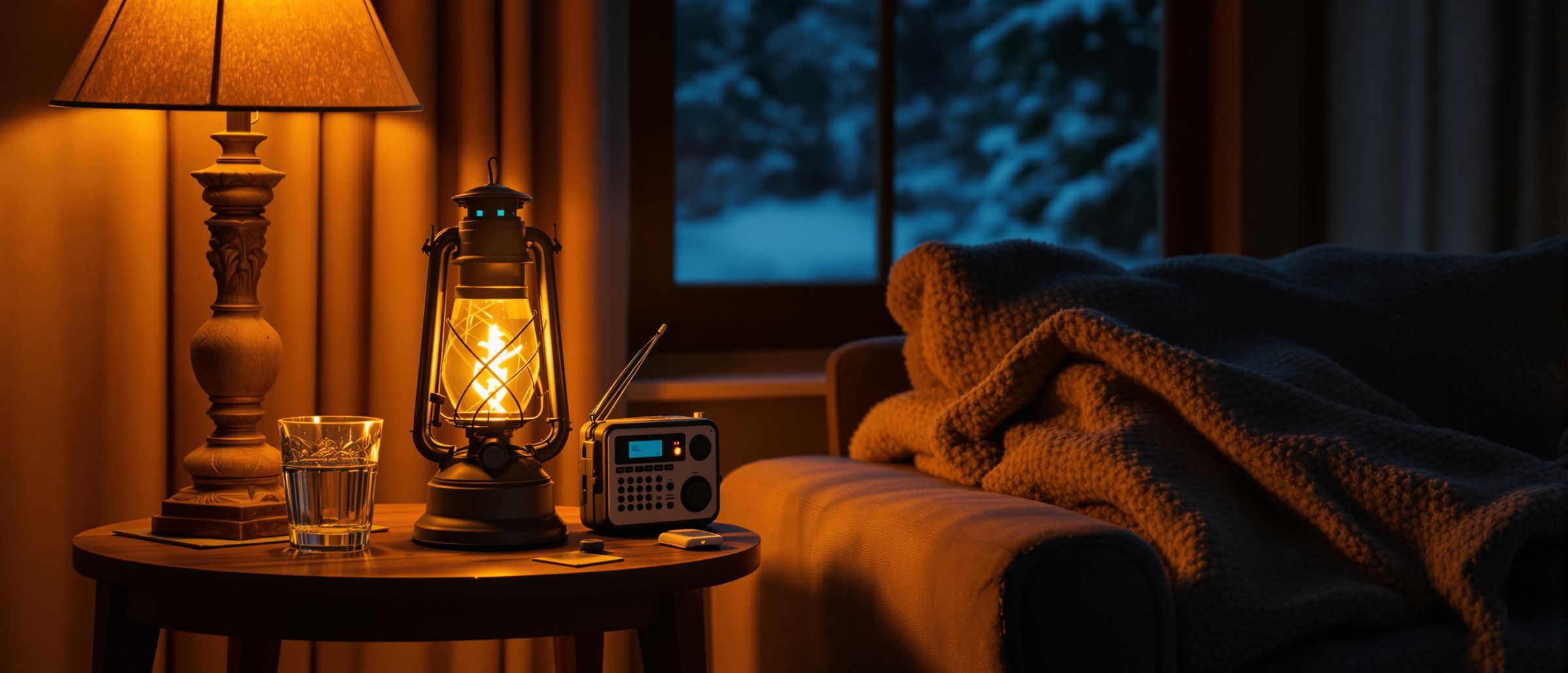
Water, food, medication, warmth, light and a way to hear official information. Three days covers the overwhelming majority of local emergencies.
3. Extend to two weeks
Then a month. Fill gaps a bit at a time as you shop normally - no panic buying, no giant one-off bill, and nothing wasted.
What actually disrupts households
The threats worth planning for are mundane, frequent and cheap to prepare for. Here’s where to put your attention.
Power outages
Storms, ice, heat and grid faults. Typically hours - occasionally days. Backup power and safe generator use matter most here.
Water interruptions
Boil-water advisories, burst mains, well-pump failures. You need stored water before you need a filter.
Severe weather
Ice storms, blizzards, hurricanes, wildfire smoke and extreme heat. Often means staying put for days.
Comms & payments
When networks and card terminals go down, a radio and cash still work. Most people have neither.
The guides most households start with
Every guide is free, and none of them require you to buy anything.
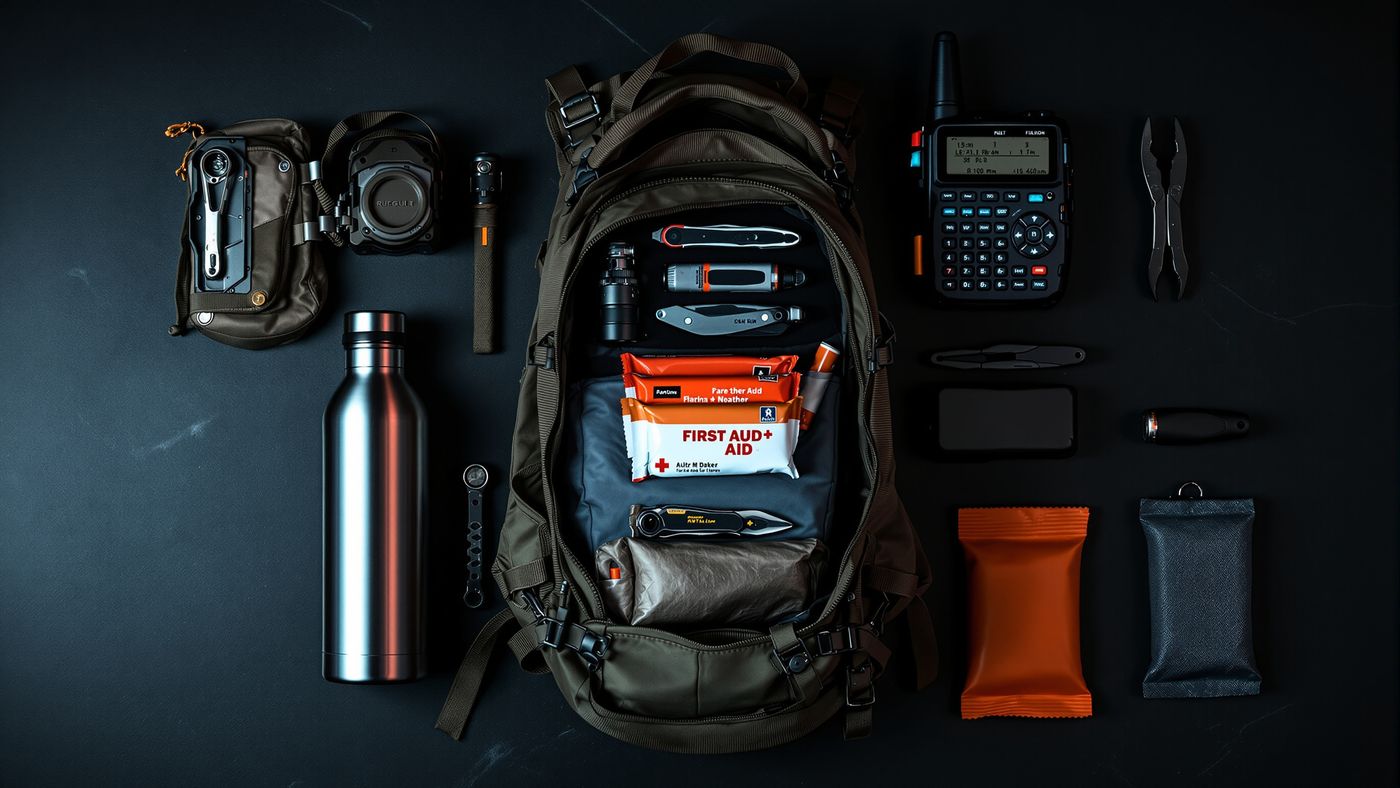 Kits & Gear
72-Hour Emergency Kit: The Complete Checklist for Families
Build a 72-hour emergency kit with our complete checklist: water, food, first aid, power, and documents. Practical grab-and-go gu…
9 min read →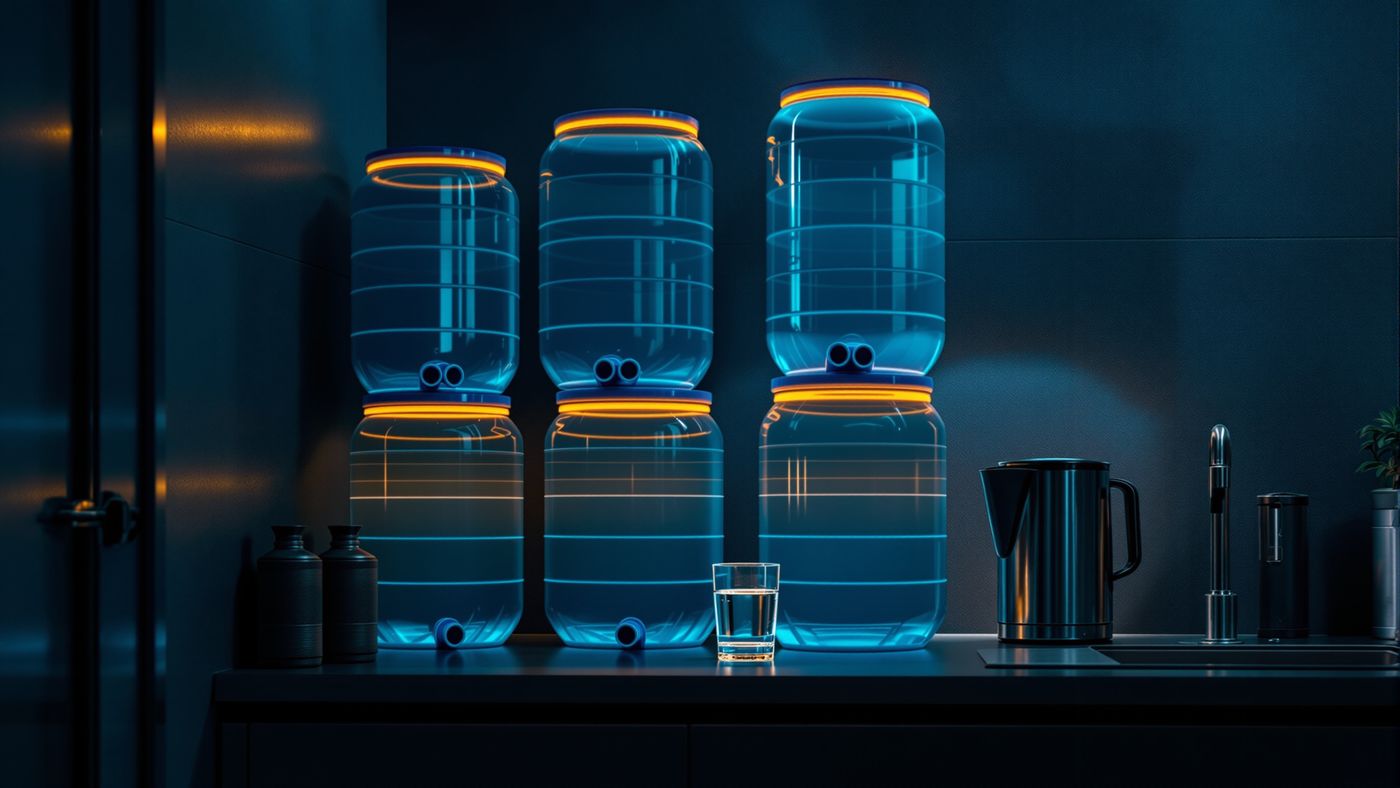 Water
Water
How to Store and Purify Water for Emergencies at Home
Learn how to store and purify water for emergencies: how much to keep, food-grade containers, safe rotation, and proven purificat…
9 min read → Power
Power
Power Outage Preparedness: A Homeowner Guide
Power outage preparedness for homeowners: a 72-hour kit, safe food, heat and light without carbon monoxide risk, and what to do w…
8 min read →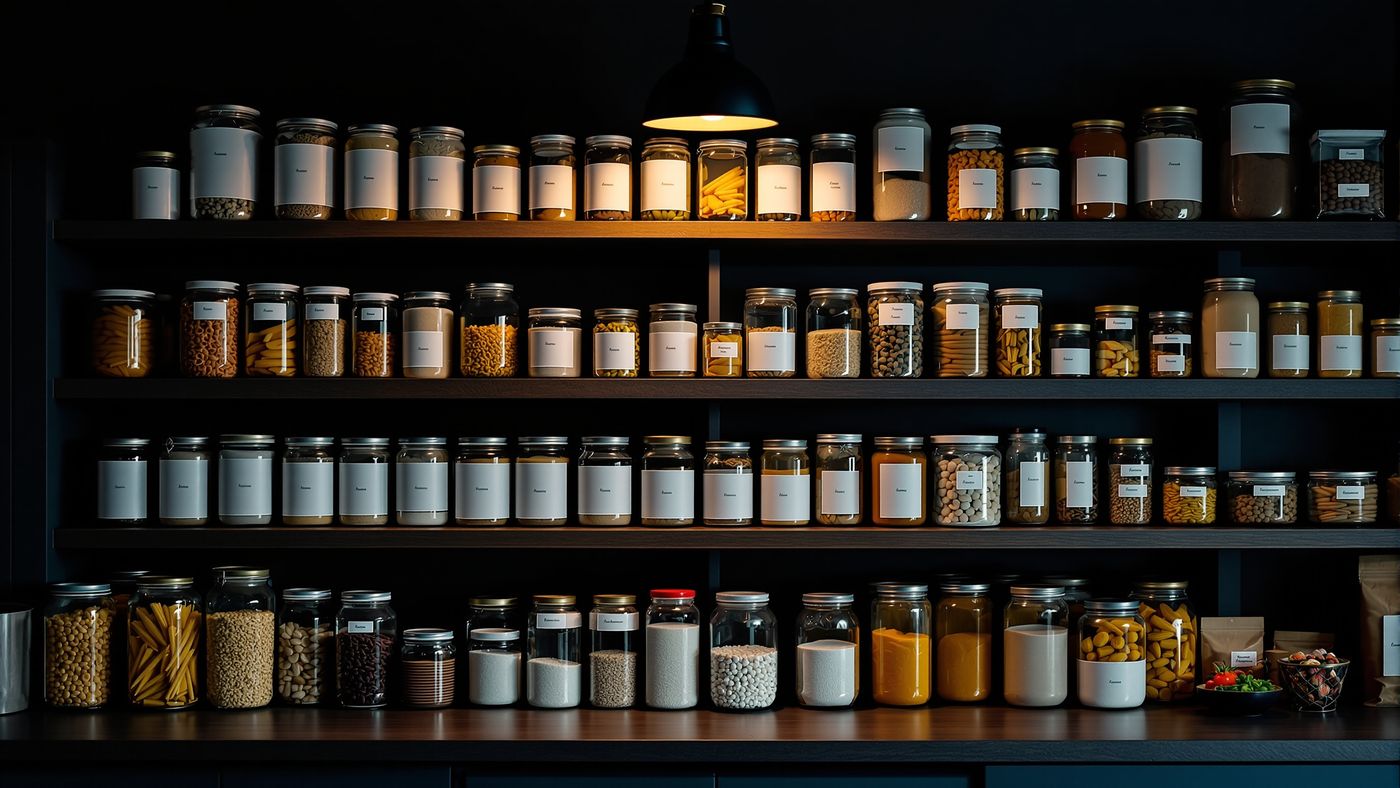 Food
Food
Building a 30-Day Emergency Food Supply for Your Family
Build a 30-day emergency food supply step by step: how much to store, the best shelf-stable staples, cooking without power, and h…
9 min read →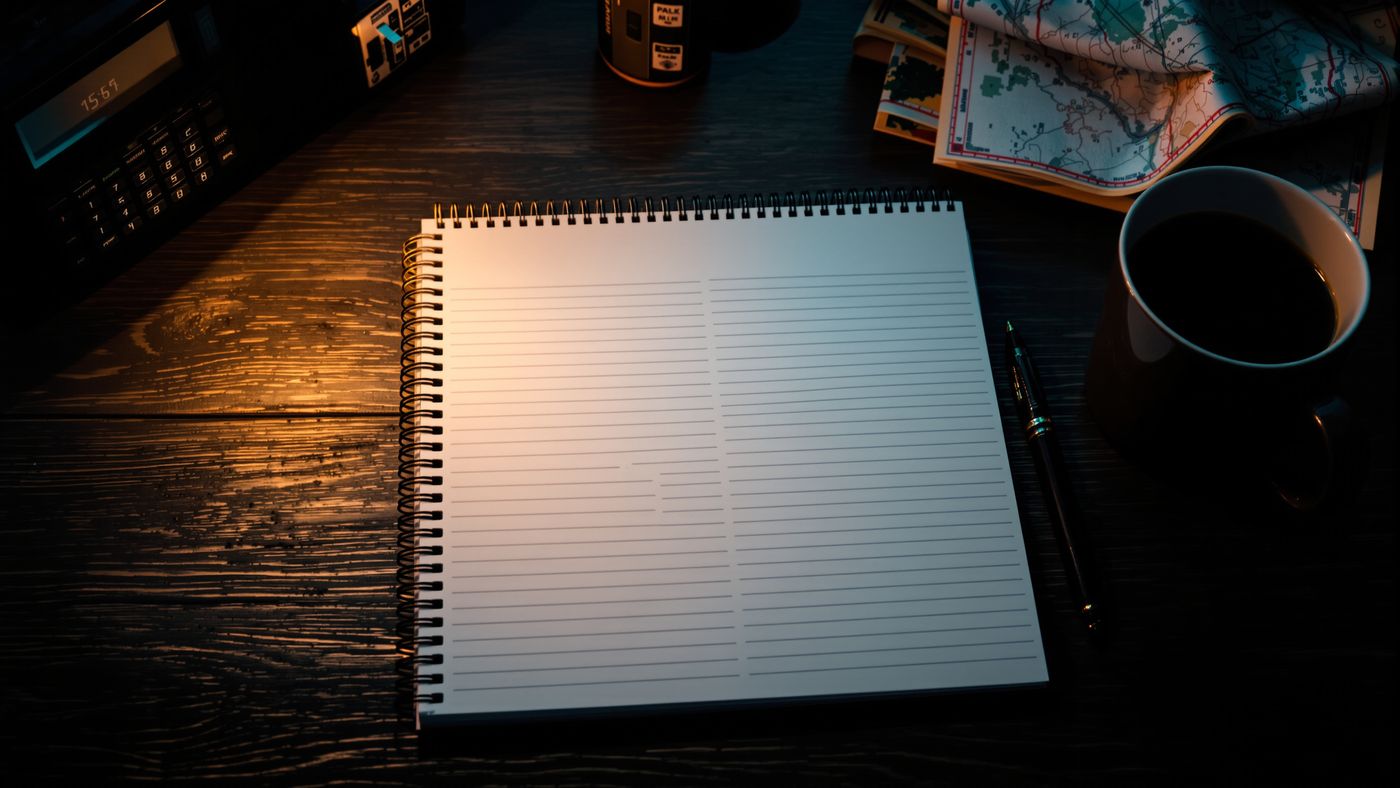 Planning
Family Emergency Communication Plan: Step by Step
Build a family emergency communication plan step by step: pick an out-of-area contact, set text-first rules, choose two meeting p…
8 min read →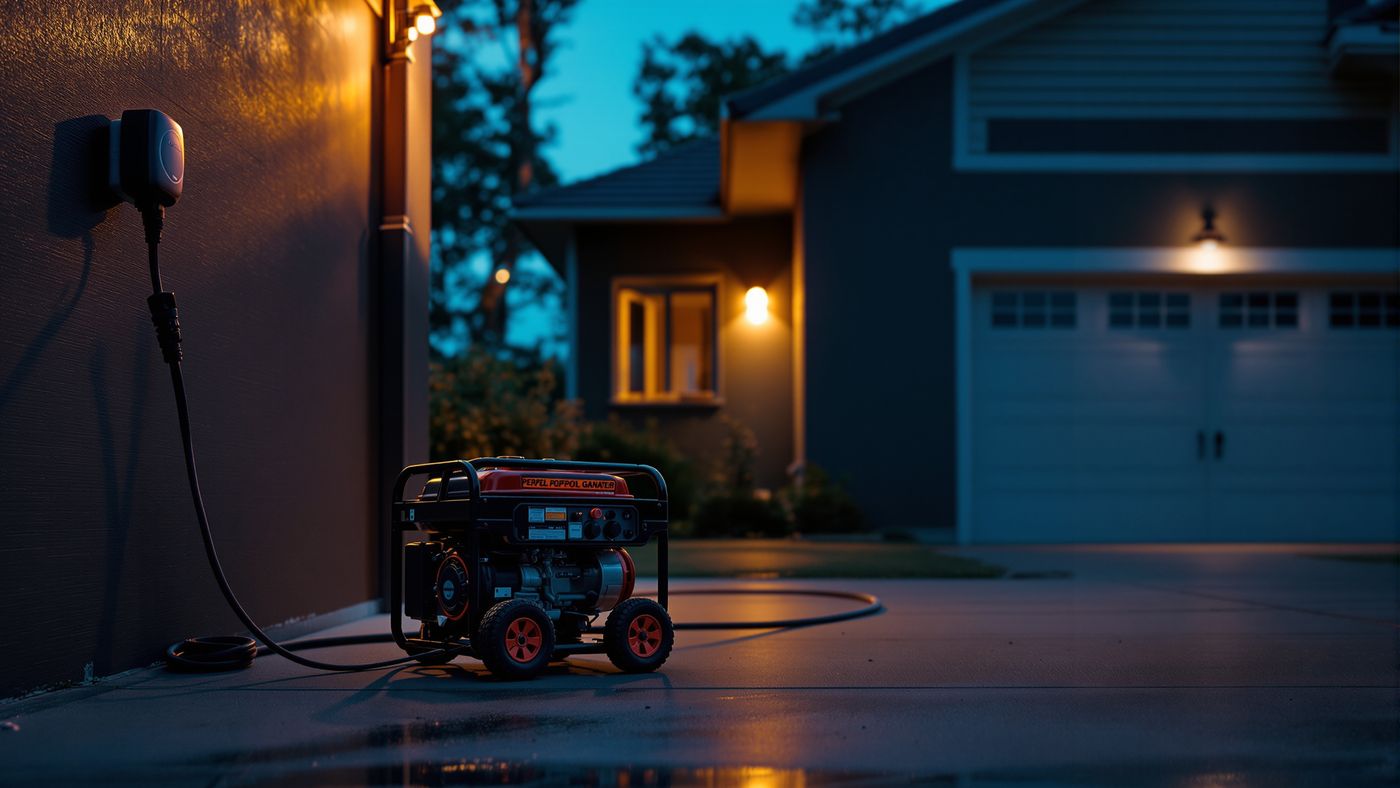 Power
Power
Generator Safety: How to Power Your Home Safely
Generator safety essentials: carbon monoxide placement, correct sizing, transfer switches, cords, fuel storage, and how to power …
10 min read →
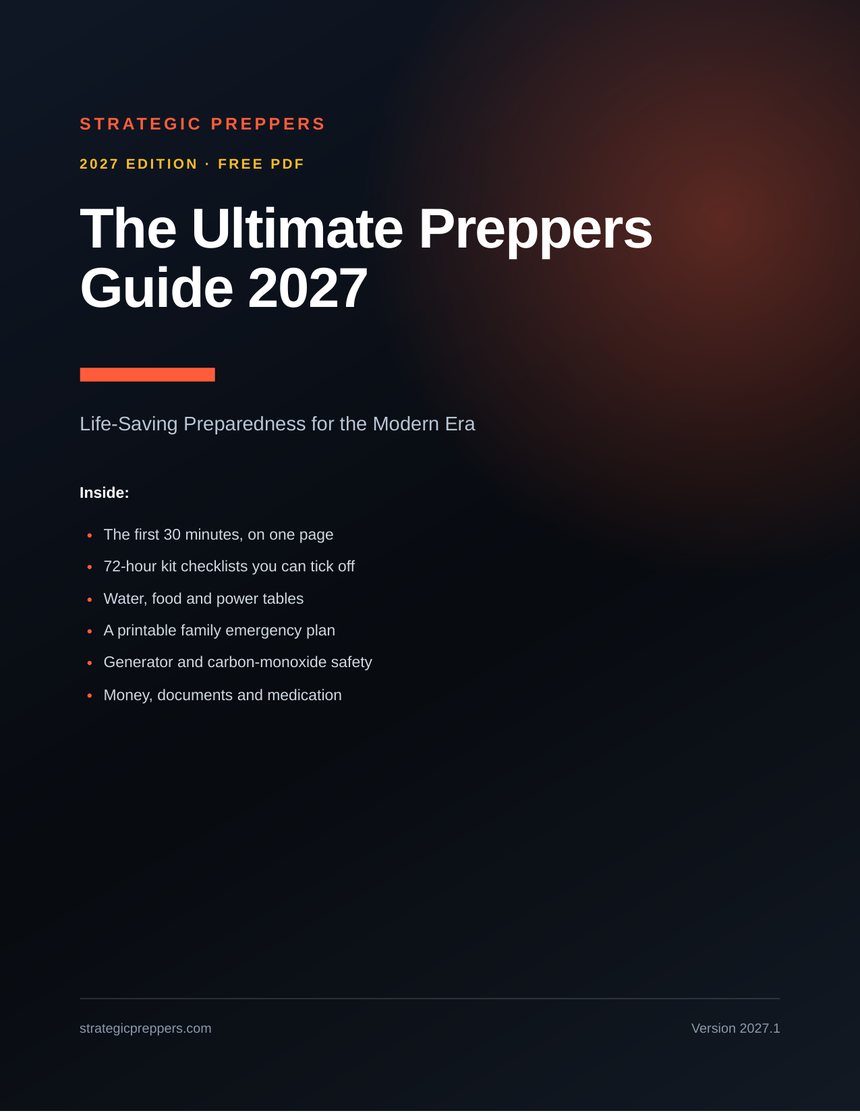
The Ultimate Preppers Guide 2027
Every checklist and table from this site in one printable PDF, plus the chapters most households skip until they need them: medication and first aid, pets, children, money and documents, and what to do in the first thirty minutes.
- 72-hour kit checklist you can actually tick off
- Water storage, treatment and quantity tables
- Generator and carbon-monoxide safety rules
- Printable family emergency plan template
- Gear priority order - what to buy, and when
Buy less, but buy the right things
Buying guides that explain the specifications that matter - and tell you plainly when the cheap option is correct.
 Food
Food
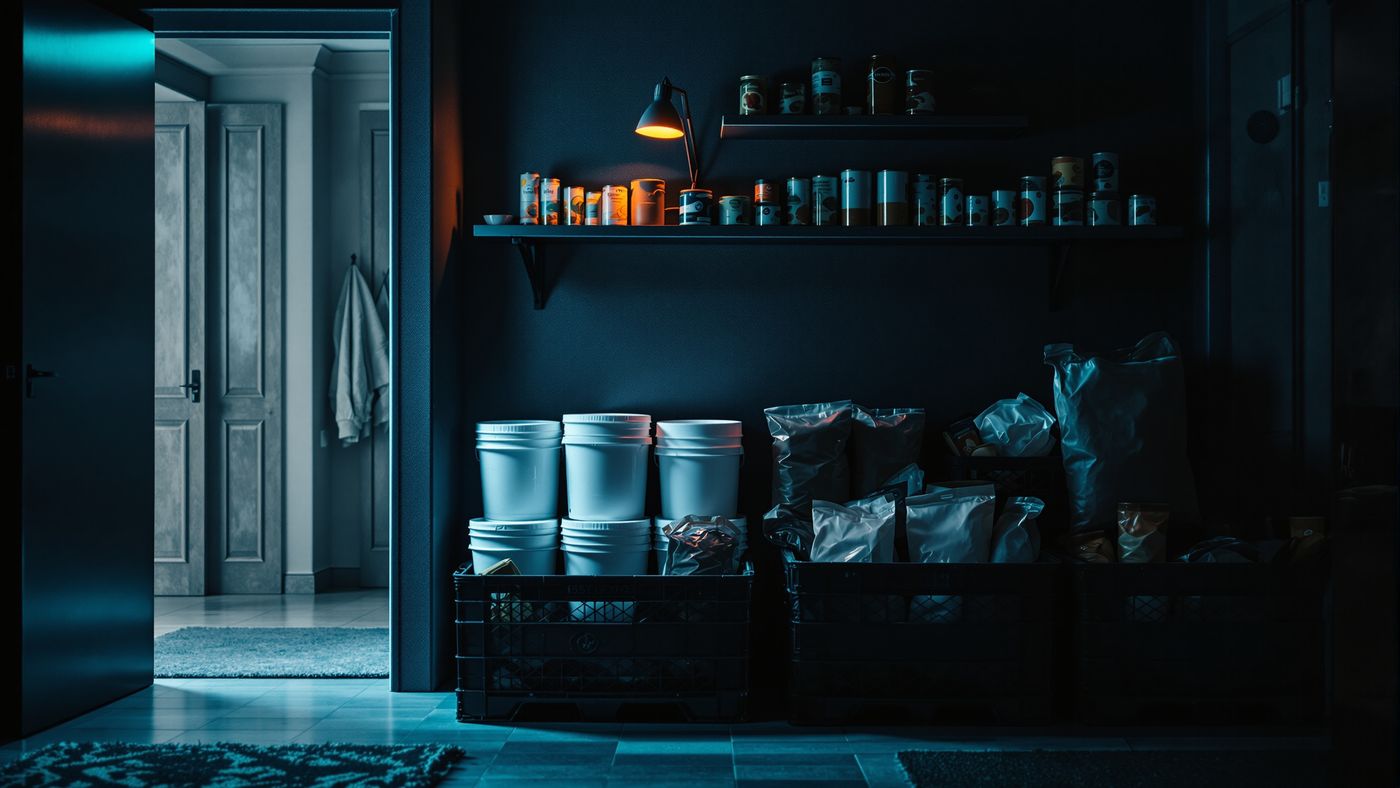
Best Emergency Food Kits and Long-Term Storage
Compare emergency food kits and long-term storage from Mountain House, Augason Farms, 4Patriots and Ready Hour. Honest guidance o…
5 picks →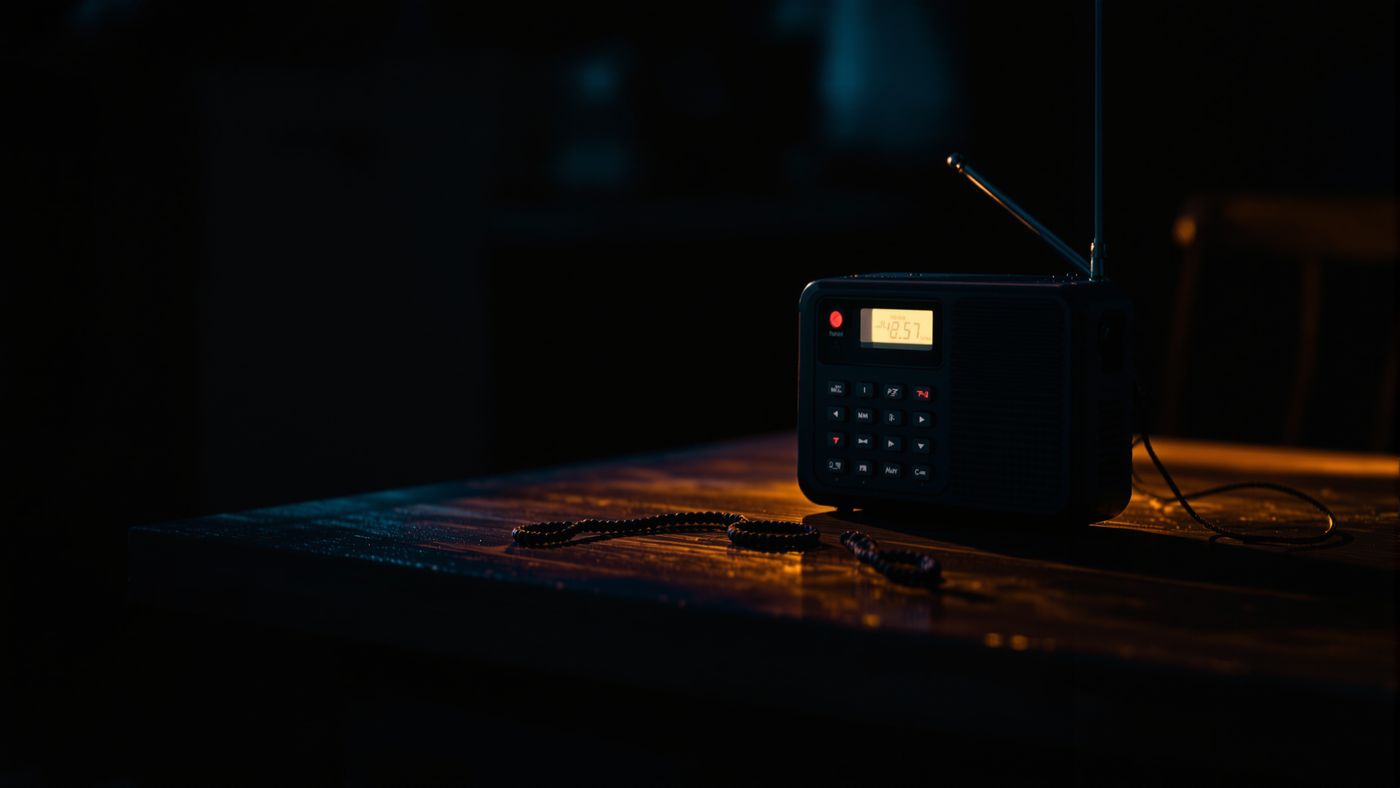 Comms
Comms
Best Emergency Radios: NOAA, Hand-Crank and AM/FM
How to choose an emergency radio: NOAA SAME alerts, hand-crank versus solar versus battery power, and picks from Midland, Eton, S…
5 picks →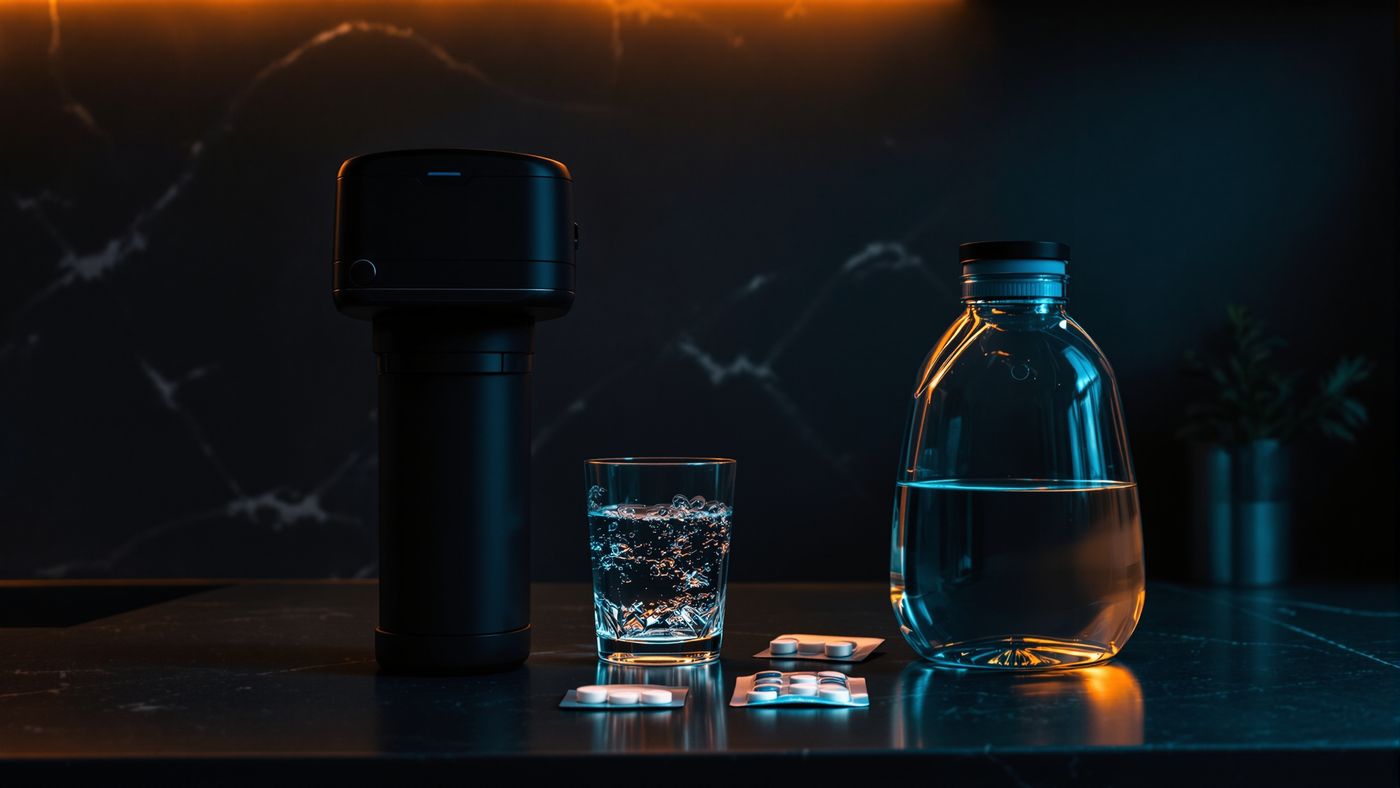 Water
Water
Best Emergency Water Filters and Purifiers
How to choose emergency water filters and purifiers: pore size in microns, bacteria versus viruses, and picks from LifeStraw, Saw…
6 picks →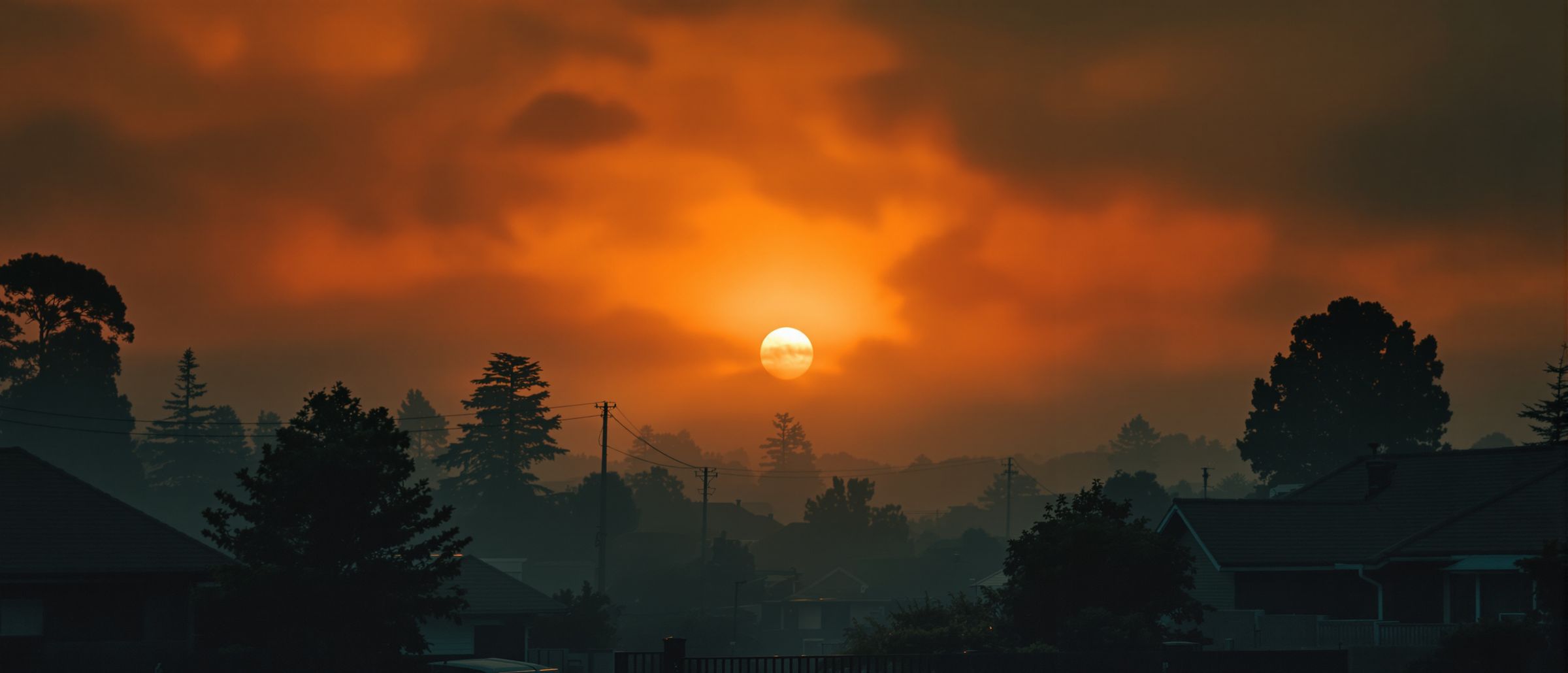
What this site is - and what it isn’t
What we do
- ✅ Give you the plan first and the shopping list second.
- ✅ Recommend the cheap option when it genuinely does the job.
- ✅ Say when something is a nice-to-have rather than a necessity.
- ✅ Point to official guidance from your own emergency authorities.
- ✅ Label every affiliate link, every time.
What we don’t
- 🚫 Sell fear. Panic makes people buy the wrong things.
- 🚫 Pretend a collapse is around the corner.
- 🚫 Invent statistics or dress up opinion as research.
- 🚫 Push tactical or military gear on ordinary families.
- 🚫 Recommend anything we wouldn’t put in our own homes.
Common questions
How many days of supplies should a household keep?
Start with 72 hours, which covers the overwhelming majority of local emergencies. Once that is genuinely complete, build toward two weeks, then thirty days of water, food and medication. Depth matters far less than finishing the first 72 hours properly.
How much water should I store?
One gallon (about four litres) per person per day for drinking and basic hygiene, plus extra for pets. A family of four for two weeks is roughly 14 gallons - about 53 litres. Store it in food-grade containers, keep it out of direct sunlight, and rotate it.
Is this going to be expensive?
No. The highest-value steps cost nothing: a written family communications plan, an agreed meeting place, a battery or hand-crank weather radio where you can find it in the dark, and knowing how to shut off your gas and water. Gear comes last, and much of it can be bought a little at a time.
I live in an apartment. Does any of this apply?
Yes, and it matters more, not less - stairs, lifts and shared systems mean you may be stuck in place rather than evacuating. Focus on water you can carry and store, light, power for a phone, warmth, and a plan for pets if the building is evacuated.
Where should I start if I only have one evening?
Two things: write down your family emergency plan, and get water and a torch into the house where you can find them without a light. Those two cover the most likely disruptions and cost almost nothing.
Start with the guide. Build from there.
It’s free, it’s 56 pages, and it is organised so you can work through it a weekend at a time.