Best Emergency Food Kits and Long-Term Storage
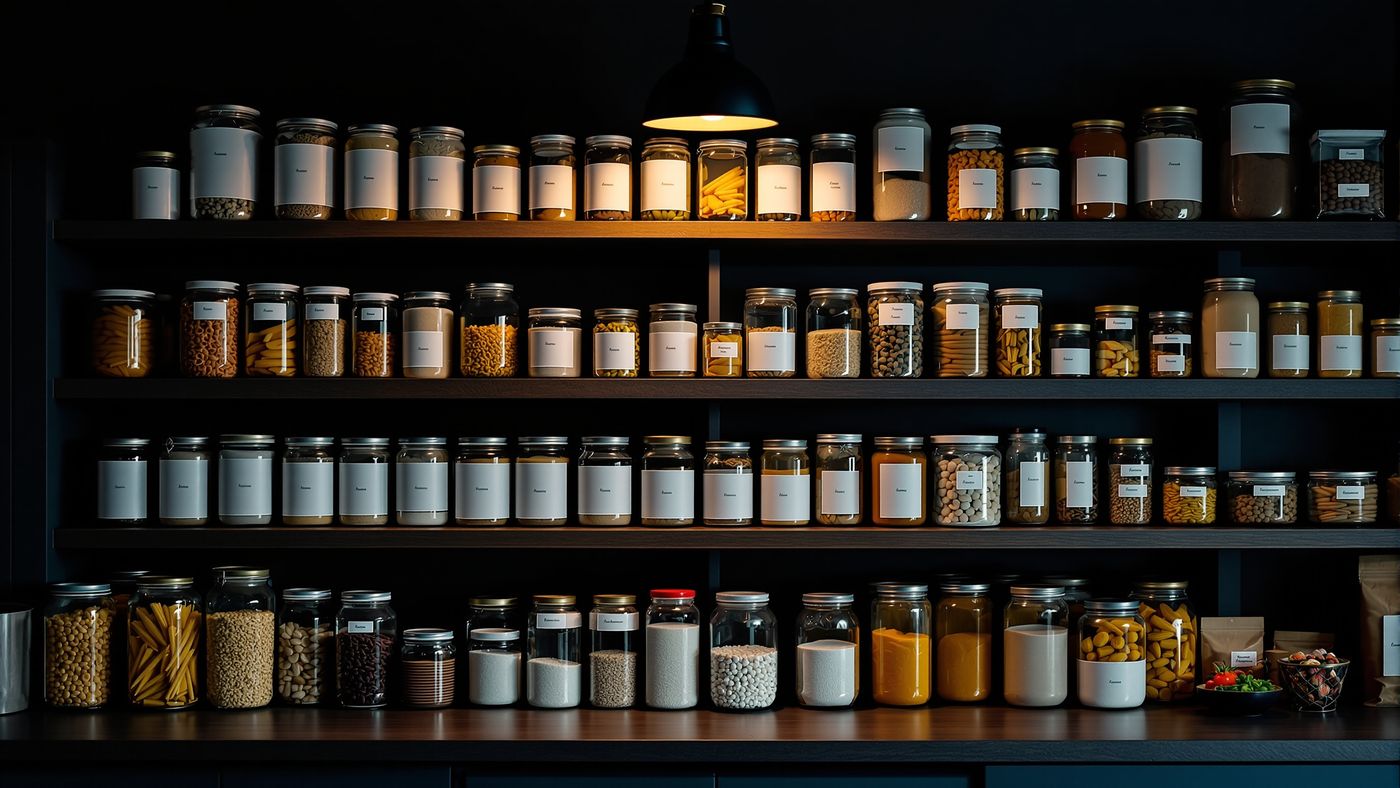
A well-chosen emergency food supply turns a stressful week into a manageable one. The best emergency food kits are not about bunkers; they are about having shelf-stable, easy-to-prepare meals on hand for power outages, storms, an interrupted paycheck, or simply the grocery run you cannot make. Long-term storage food - freeze-dried meals, dehydrated staples, and sealed grains - is designed to sit quietly for years and rehydrate into real meals when you need it.
This guide explains how to compare emergency food kits and long-term storage by the things that actually matter: shelf life, calories per dollar, package type, and how much water each meal demands. We walk through the leading product lines, what a typical “bucket” really contains, and the items most pre-assembled kits leave out, so you can build a supply that fits your household's tastes, diet, and budget.
We are experienced buyers, not a taste-test lab, so this guide is built from published specifications and the practical questions that decide whether food storage is worth having: how long it truly keeps, how many calories you get for the money, how much water each meal needs, and whether the packaging will survive a move. We favour established brands with a long record and clear labelling, and we are blunt about marketing that inflates serving counts while hiding calorie totals. We do not invent test results, awards, or taste scores, and where a precise figure is needed we point you to the current product label instead of quoting a number we cannot verify.
Our picks
Mountain House freeze-dried meals
Typical price band: $70-300 depending on format and quantity
Mountain House is the long-standing benchmark for freeze-dried meals, and it earns the top spot for taste, texture, and consistency rather than raw calories. Its meals are genuinely just-add-water: boil or add hot water to the pouch, wait a few minutes, and eat straight from the bag with no pot to clean. The brand sells both individual pouches for go bags and larger #10 cans for pantry storage, and its canned meals carry some of the longest shelf lives in the category. You pay more per serving than value brands, but most households eat this food rather than dread it, which matters when a supply sits for years.
- Who it suits: households that want food they will actually enjoy, and go bags that need a hot meal with minimal fuss.
- Watch for: a premium price per calorie, and pouches that are more expensive than bulk cans for home storage.
- FormatIndividual pouches and #10 cans
- PreparationJust add hot water; eat from the pouch
- Shelf lifeVery long on cans; check each product's date
- VarietyBreakfasts, entrees, and desserts
- Best forTaste-driven storage and go bags
- NotePremium price; verify current label dates and calories
Pros
- Widely regarded as the best-tasting freeze-dried line
- No-cook, eat-from-the-pouch convenience
- Strong shelf-life reputation on canned meals
Cons
- Higher cost per serving than value brands
- Pouches cost more per meal than bulk cans
Affiliate link - we may earn a commission at no cost to you.
Augason Farms long-term food storage
Typical price band: $40-300 depending on product and quantity
Augason Farms is the value workhorse of home food storage. It sells a wide catalog of #10 cans, from complete breakfast and dinner kits to single staples like rice, beans, oats, and powdered milk, all at prices that make calories-per-dollar easy to like. The #10 can is its strength: sturdy, stackable, and better protected than thin pouches, so it suits a pantry shelf or basement corner. The trade-off is variety and seasoning - some entrees are plainer than the premium freeze-dried names - but as a foundation of grains, legumes, and basics it is hard to beat for the money.
- Who it suits: budget-minded households building a staple supply they can supplement with things they already cook.
- Watch for: plainer flavors and packaging that can vary by product line.
- Format#10 cans and pantry buckets
- PreparationMost items need water and some cooking
- Shelf lifeLong-dated cans; check each product label
- VarietySingle staples plus assembled kits
- Best forValue-focused staple storage
- NoteConfirm current dates and calories per can
Pros
- Excellent calories-per-dollar value
- Sturdy, stackable #10 cans
- Wide range of single ingredients and kits
Cons
- Plainer flavor than premium freeze-dried brands
- Many items require cooking and more water
Affiliate link - we may earn a commission at no cost to you.
4Patriots emergency food kits
Typical price band: $100-1,000+ depending on kit size
4Patriots sells large, curated emergency food kits built around multi-week and multi-month supplies, often packaged as grab-and-go boxes or buckets designed to be stored and forgotten until needed. The pitch is convenience: one purchase covers a set number of days for a set number of people, with freeze-dried meals and staples that just need water. The brand markets heavily, so it helps to compare the advertised day count against the actual calories per day - a “week of food” can mean different things across brands. Read the label rather than the headline, and check the current kit contents before buying.
- Who it suits: buyers who want a single, big-ticket purchase covering weeks or months without assembling it themselves.
- Watch for: heavy marketing, and day counts that depend on the calorie figure used.
- FormatBoxed and bucket kits, multi-week to multi-month
- PreparationAdd water; some items need heat
- Shelf lifeLong-dated; confirm the product label
- VarietyMeals plus staples in most kits
- Best forOne-purchase, large-quantity storage
- NoteCompare advertised days against calories per day
Pros
- Large all-in-one kits that cover many days
- Convenient grab-and-go packaging
- Freeze-dried meals that need only water
Cons
- Aggressive marketing can oversell day counts
- Premium price for the convenience
Affiliate link - we may earn a commission at no cost to you.
Wise Company emergency food buckets
Typical price band: $60-250 depending on bucket size
Wise Company was one of the first names to popularize the emergency food bucket, and it remains a value-oriented option for households that want a shelf-stable backup without spending premium prices. Its buckets typically combine freeze-dried and dehydrated entrees and breakfasts that rehydrate with water, and the packaging is designed to stack and store for years. As with any budget line, the honest move is to read the actual calorie count per day rather than trusting the serving list, and to plan a few extra pantry staples around it for variety and to stretch the supply.
- Who it suits: budget-conscious buyers who want a ready emergency food base at a low entry price.
- Watch for: plainer flavors and calorie figures that vary by bucket size.
- FormatEmergency food buckets
- PreparationAdd water; some items need heat
- Shelf lifeLong-dated; check each bucket label
- VarietyEntrees and breakfasts in most buckets
- Best forLow-cost starter food storage
- NoteRead calories per day, not just servings
Pros
- Low entry price for a full bucket
- Simple, water-only preparation
- Widely stocked by major retailers
Cons
- Plainer flavors than premium brands
- Day counts depend heavily on calorie assumptions
Affiliate link - we may earn a commission at no cost to you.
Ready Hour food storage by My Patriot Supply
Typical price band: $40-500 depending on items and quantity
Ready Hour is the food-storage brand of My Patriot Supply and offers a broad catalog: individual entrees, breakfasts, single staples, and assembled kits, sold in pouches, #10 cans, and sealed buckets. It sits between value and premium, with a wide enough range that a household can mix cooked meals, no-cook items, and basics to suit its own taste. The sheer variety is the appeal - you can build a supply that resembles the food you actually eat - though, as always, check the calorie and shelf-life figures on the specific product rather than the category as a whole.
- Who it suits: buyers who want to cherry-pick variety across meals and staples rather than buy one fixed kit.
- Watch for: a large catalog where quality and specs vary by product.
- FormatPouches, #10 cans, and sealed buckets
- PreparationMixed; some no-cook, some need heat
- Shelf lifeLong-dated; confirm per product
- VarietyVery broad, from entrees to staples
- Best forCustom, mix-and-match supplies
- NoteVerify calories and dates on each item
Pros
- Very broad catalog for customizing a supply
- Mix of no-cook meals and cooking staples
- Range of package sizes for small or large storage
Cons
- Quality and specs vary across the catalog
- Requires more label-reading than a fixed kit
Affiliate link - we may earn a commission at no cost to you.
What actually matters
Shelf Life: What a 25-Year Date Really Means
Long shelf lives are the point of storage food, but the number depends on the food, the packaging, and the storage conditions. Freeze-dried meals in sealed cans are often dated for many years, sometimes decades; dehydrated staples and pouches typically carry shorter dates. A “25-year” figure usually assumes a cool, dry, dark environment, so a hot garage or a damp basement will shorten it no matter what the label says.
- Store in a cool, dry, dark place, off a concrete floor where moisture creeps in.
- Trust the printed date on the specific product, not a generic claim.
- Rotate and eat the oldest items now and then, which also tells you whether you like them.
Because dates and packaging change between product lines, check the current label before you buy in bulk.
Calories Per Dollar: The Number Buckets Hide
The most honest way to compare emergency food is calories per dollar, not servings or days. Serving sizes are defined by the brand, so a “100 servings” bucket can look generous while delivering well under a full day's calories for one adult. Nutrition guidance commonly cites around 2,000 calories a day for an average adult, more with exertion, and emergency situations often mean more activity and less comfort food.
To compare fairly, find the total calories in the kit and divide by the price. A kit that looks cheap per serving may be expensive per calorie. If a listing hides the total, that is a signal to look elsewhere or ask the seller for it before buying.
Mylar Pouches vs #10 Cans
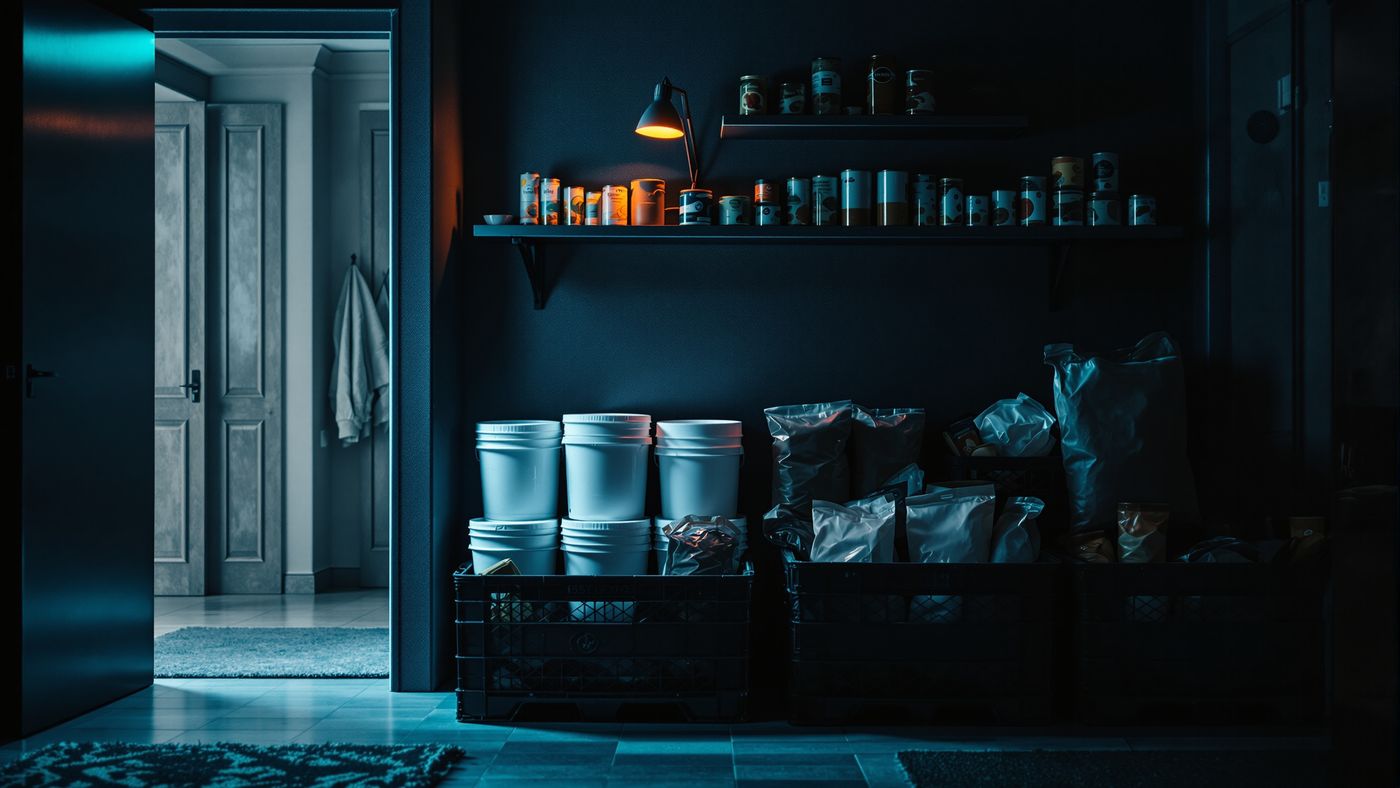
Packaging decides how well food survives and how easy it is to store. Sealed mylar pouches inside a bucket or box are lighter and space-efficient, which suits portability and stacked storage. #10 cans are heavier and bulkier but offer rigidity, better protection against punctures, and are easy to open and reseal once started.
- Mylar: lighter, cheaper to ship, good for buckets and go bags; more vulnerable to puncture and heat.
- Cans: sturdier, longer-dated in practice, ideal for a shelf; heavier and pricier.
Many households use both: cans for the pantry foundation and pouches for portability. Check which packaging the specific kit uses, since the same brand often sells both.
Freeze-Dried vs Dehydrated
These two methods preserve food differently. Freeze-dried food keeps its shape and texture and rehydrates quickly, often retaining more flavor, which is why it is the favorite for meals you want to enjoy. Dehydrated food is dried with heat, tends to be chewier, and usually rehydrates more slowly, but it is often cheaper and works well for staples.
The practical split: choose freeze-dried for entrees where taste matters, and dehydrated for grains, beans, and bases you will cook and season yourself. Whatever you choose, plan to store the water it needs, because both methods require rehydration.
Water: The Hidden Requirement
Almost all storage food needs water, and some of it needs hot water. That is a big hidden cost, because water is heavy, bulky, and easy to forget when you are buying food. A freeze-dried meal can call for a cup or two of water, which adds up fast across a family and several days.
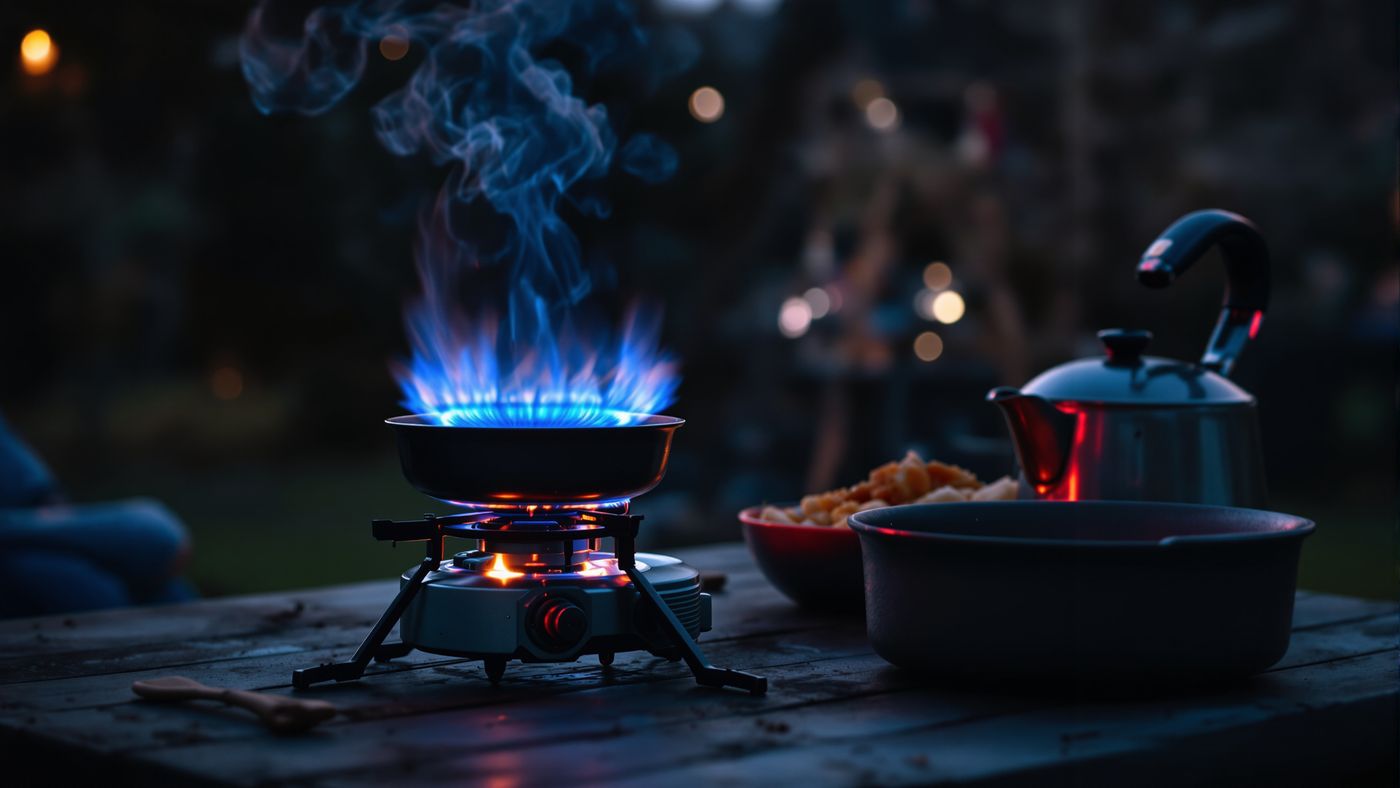
Before you store food, work out your water plan. If you intend to cook, you need both drinking water and cooking water, plus a heat source that does not rely on grid electricity. Many no-cook items still need water at room temperature, so a stored supply and a way to treat more are as important as the food itself.
What Kits Usually Omit
Pre-assembled kits are convenient, but they rarely stand alone. Knowing the gaps keeps you from being caught short.
- Water and a way to treat or store it.
- A heat source such as a camp stove and fuel, if you plan to cook.
- Extra calories for babies, pets, and anyone with a bigger appetite.
- Special diets: allergy-safe and low-sodium options are rarely in standard kits.
- Variety and comfort: coffee, tea, and familiar snacks that lift morale.
Treat a kit as a foundation, not a finished plan, and top it up with the food your household already eats.
Frequently asked questions
How long does emergency food really last?
It varies with the food, the packaging, and storage. Freeze-dried meals in sealed cans are often dated for many years, sometimes decades, while dehydrated items and pouches carry shorter dates. The printed date on the specific product is the honest answer, and it assumes a cool, dry, dark storage spot. Heat and humidity shorten shelf life no matter what the label claims.
How many calories per day should I store?
A common planning figure is around 2,000 calories per adult per day, with more for heavy activity, cold conditions, or a larger person. Children need less. To size a supply, multiply your daily target by the number of people and the number of days you want to cover - then compare that total against the actual calories in a kit rather than its serving count.
Is freeze-dried or dehydrated food better?
Neither wins outright. Freeze-dried food keeps more texture and flavor and rehydrates quickly, which makes it best for meals you want to enjoy. Dehydrated food is usually cheaper and suits staples like grains and beans. Many households mix them: freeze-dried entrees for taste, dehydrated basics for value, and both supported by a planned water supply.
Do emergency food kits include water?
Usually not. Most kits are food only, and the meals need water - often hot water - to prepare. Plan separately for drinking and cooking water, plus a heat source that works without electricity, since a kit on its own is not a complete plan. This is one of the most common gaps in a first-time food-storage purchase.
How much food do I need per person?
Use calories, not servings. Estimate around 2,000 calories a day per adult, decide how many days and how many people you want to cover, and buy to that total. Add margin for pets, babies, and anyone with a larger appetite or a special diet, and remember that a mixed supply of meals and staples is easier to live with than one giant bucket of the same entree.
Is it cheaper to build my own food storage?
Often yes, if you have time. Buying rice, beans, oats, and canned goods on sale and storing them properly in food-grade containers or sealed mylar with oxygen absorbers is usually the lowest cost per calorie, and you end up with food you already eat. Pre-assembled kits win on convenience, consistent packaging, and long dates. Many households do both: a DIY staple base plus a few premium freeze-dried meals for ease.
What to do first
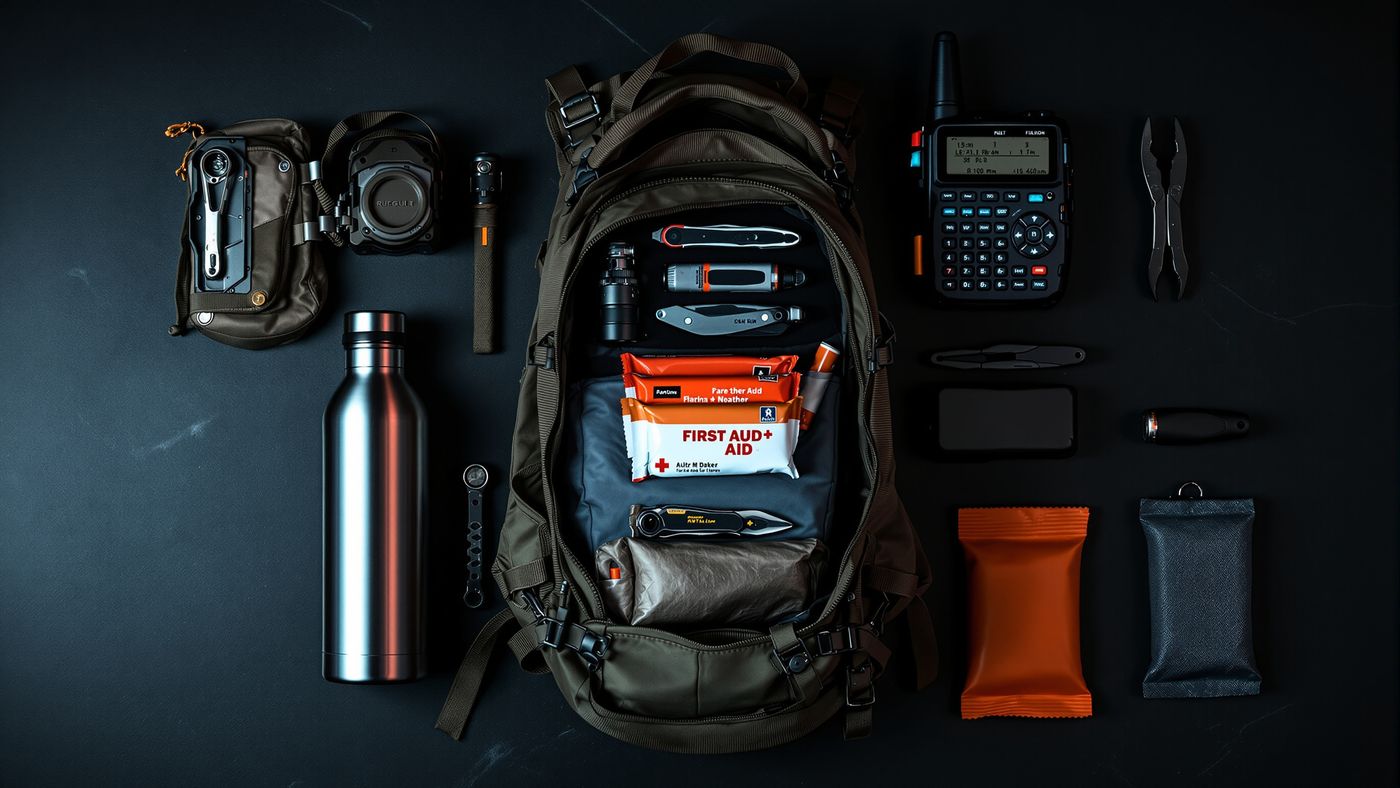
Pick your daily calorie target, multiply it by your household size and the number of days you want to cover, and write the number down. That figure is your real shopping list. Then choose packaging to suit your space - cans for the pantry, pouches for portability - and separately sort out water and a heat source, because no food kit includes them. Buy a little at a time, store it cool and dark, and rotate the oldest items into normal meals so the supply stays fresh and familiar.
Not sure where this item fits in the bigger picture? The free The Ultimate Preppers Guide 2027 has the full priority order and printable checklists.