72-Hour Emergency Kit: The Complete Checklist for Families
When the power goes out, a storm closes the roads, or an evacuation order arrives, the first three days are the ones that matter most. A 72-hour emergency kit - the supplies one household needs to get through three days on its own - is the single most useful thing you can assemble before anything happens. It is not about expecting the worst; it is about making a stressful few days calmer, safer, and far more manageable.
This guide walks you through exactly what to put in a 72-hour emergency kit, how to pack it so it actually works when you need it, and how to keep it ready without letting it take over your closet. You will get a checklist organized by category, practical numbers for water and food, and clear advice on the grab-and-go bags that belong in your home, car, and workplace. Whether you live in a house, an apartment, or somewhere in between, the goal is the same: a kit you can trust in three minutes, not three days.
The short version
- Store at least 1 gallon (about 4 litres) of water per person per day for three days.
- Pack one grab-and-go bag per person, plus a shared household kit for sheltering at home.
- Include a battery-powered or hand-crank NOAA or Environment Canada weather radio.
- Keep a manual can opener, a headlamp, and spare batteries in every bag.
- Store copies of IDs, insurance, and prescriptions in a waterproof pouch.
- Refresh food, water, and batteries once a year and set a calendar reminder.
- Add cash in small bills, because card readers need power and working networks.
Start With the Right Frame: Home Kit vs. Go Bag
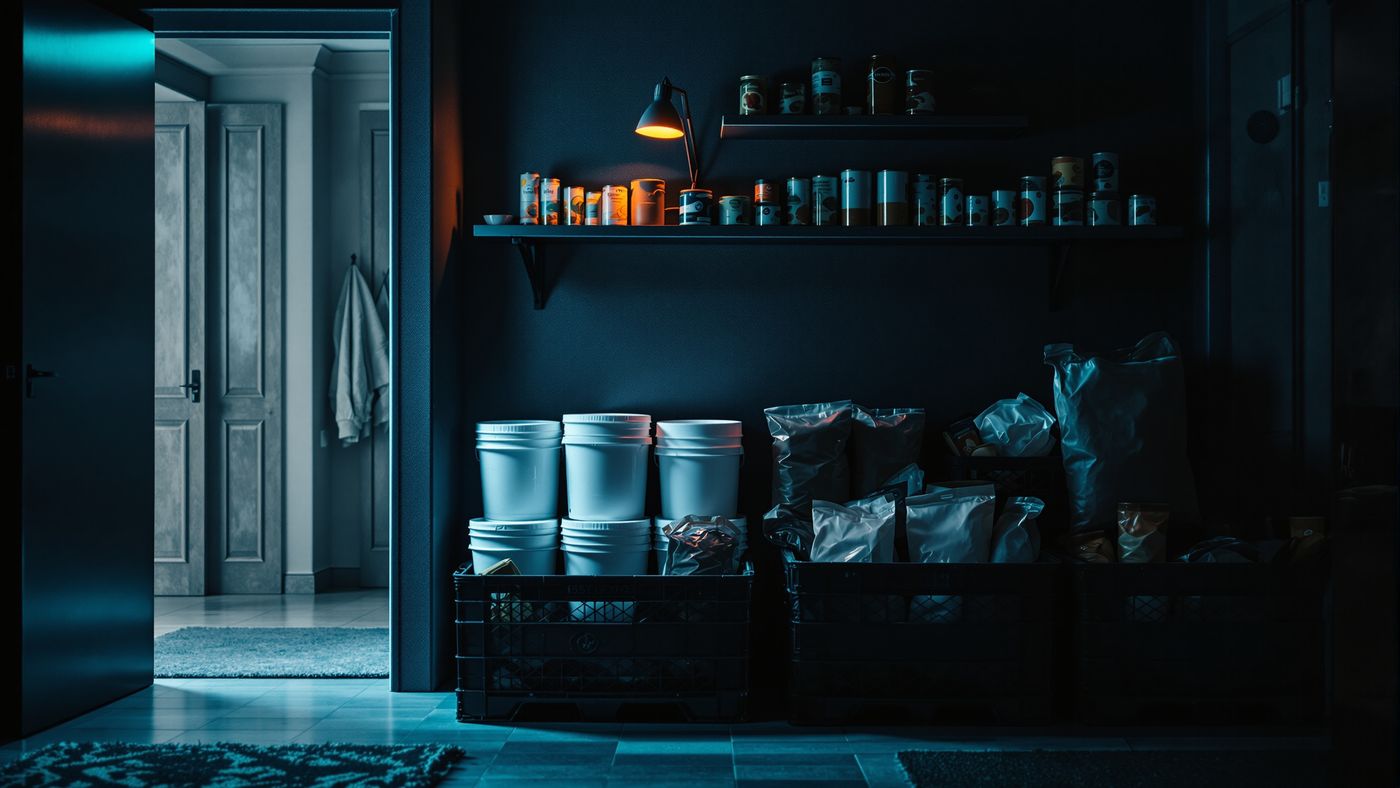
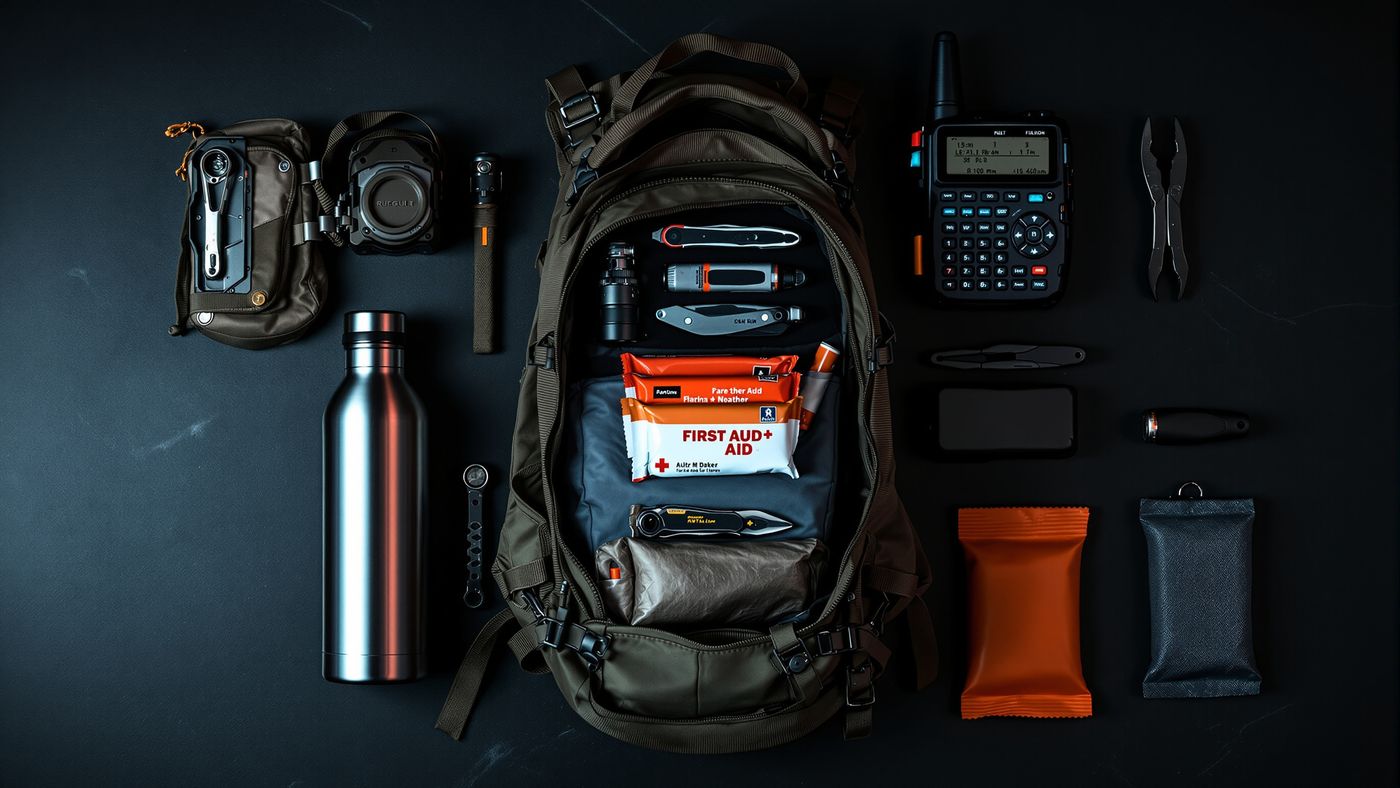
Most households need two related things, not one. The first is a home kit: a larger stash of supplies you use if you shelter in place, when a winter storm, hurricane, or extended outage keeps you in your house for a few days. The second is a go bag: a compact, carryable kit, one per person, that you can grab in minutes if you have to leave. FEMA's Ready.gov guidance is built around this same stay-or-go idea, and Canadian provincial emergency-management programs describe it in much the same way.
The 72-hour figure is not arbitrary. In many emergencies, utilities and outside help are restored within about three days, so a three-day supply covers the most likely gap. Build the home kit first if you can only do one thing today, because it protects you in the most common situations, then add go bags as time and budget allow.
What every version of the kit shares
- Water and food for three days, per person
- Light, power, and a way to hear official information
- First aid and a full supply of any prescription medication
- Documents, cash, and a small amount of comfort
Water: The One Thing You Cannot Improvise
Water is the one item you cannot substitute, borrow, or improvise. The widely used planning figure is 1 gallon (about 4 litres) per person per day for drinking plus a little hygiene and cooking water. A family of four needs roughly 12 gallons (about 45 litres) for three days.
Pets count too: plan on roughly 1 ounce (30 millilitres) of water per pound of body weight per day for a dog or cat, and more in hot weather. Keep water where it is easy to reach and easy to carry.
How much water to have on hand
| Household | Per day | 72-hour total |
|---|---|---|
| 1 adult | 1 gal / 4 L | 3 gal / 12 L |
| 2 adults | 2 gal / 8 L | 6 gal / 23 L |
| Family of 4 | 4 gal / 15 L | 12 gal / 45 L |
| Family of 4 + 1 dog | ~4.5 gal / 17 L | ~13.5 gal / 51 L |
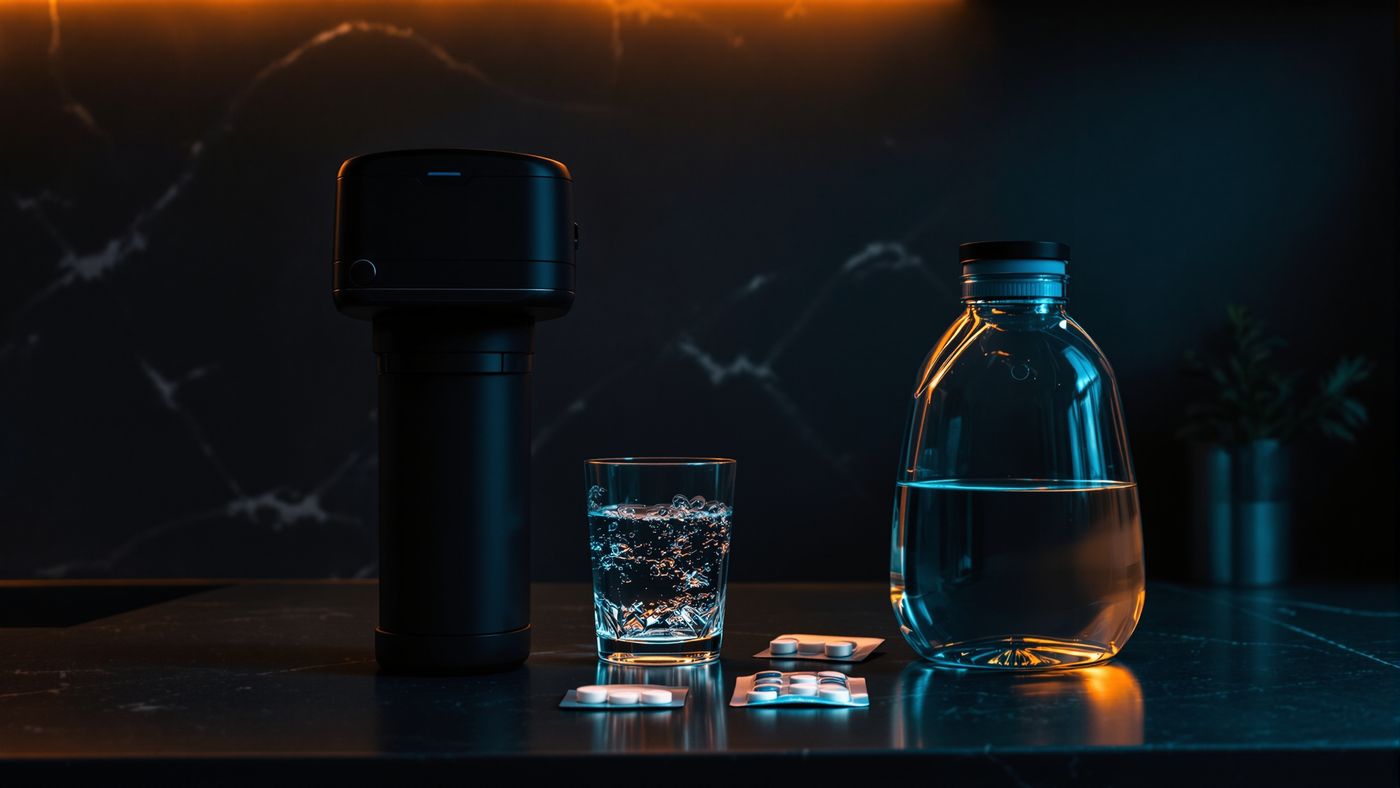
Sealed, commercially bottled water is the simplest option and keeps the longest. For the home kit, food-grade containers or stackable water bricks store flat and pour easily. Keep a few litres inside the go bag so you are not loading a heavy container at the last second, and store containers in a cool, dark place.
This guide is part of the free The Ultimate Preppers Guide 2027 - 56 pages of checklists, tables and reference sheets you can print and keep.
Food for 72 Hours
You are not planning a menu; you are planning a calm three days. The best 72-hour food is shelf-stable, needs little or no cooking, and is food your family already likes. Treat cooking as a bonus, not a requirement.
What to pack
- Ready to eat: canned beans, soup, tuna, and fruit; peanut butter; nuts; crackers; granola and protein bars
- Shelf-stable staples: instant oats, rice, and pasta for when you can cook
- Drinks: shelf-stable milk, instant coffee, tea, and electrolyte packets
- Tools: a manual can opener, a small pot, and reusable bowls and cutlery
Include a manual can opener even if you have an electric one, since it is easily forgotten. If anyone in the household is an infant, elderly, allergic, diabetic, or on a special diet, store the specific foods they rely on, because substitutions are not always safe. Do not forget pet food and a spare bowl.
Rotate food once a year: eat the bars and crackers before they expire, then replace them. This keeps the kit fresh and makes the whole thing feel like a normal part of running a household.
Light, Power, and Communication
An outage is far less stressful when you can see, charge, and hear the news. Build this category around redundancy: if one item fails or runs out of batteries, you should still have a working alternative.
- Light: one headlamp per person plus a lantern for shared spaces; avoid candles because of fire and carbon-monoxide risk
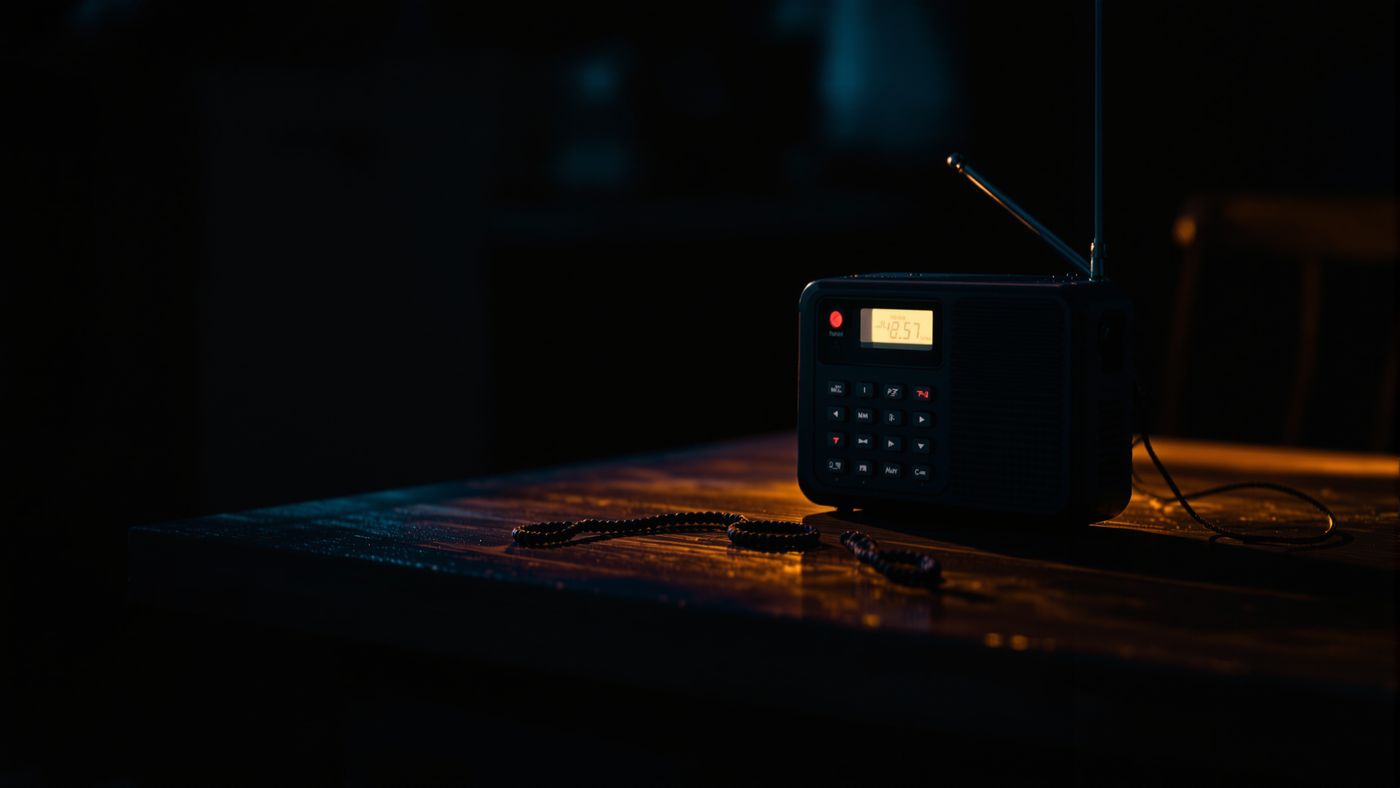
- Radio: a battery-powered or hand-crank NOAA weather radio in the US, or a radio able to receive Environment Canada alerts north of the border
- Power: a charged power bank for phones, spare batteries in every size you use, and a car charger
- Backups: a small solar panel or hand-crank charger as a last resort
A weather radio keeps working when cell networks are congested and carries official alerts directly. Program local channels when you set the kit up so no one has to scramble for frequencies during an outage. Keep a printed list of important phone numbers too, since your contacts live in a phone that may run out of power.
First Aid, Medications, and Hygiene
A basic first aid kit is familiar, but the emergency version has extras that matter in a real event. Buy a well-stocked kit, then add the personal pieces a generic kit will never include.
First aid essentials
- Assorted bandages, gauze, medical tape, and adhesive closures
- Antiseptic wipes, antibiotic ointment, and nitrile gloves
- Pain reliever, antihistamine, and any other over-the-counter medicine your family uses
- A first aid manual or printed instructions, since you may not have internet access
The most important item is a full supply of prescription medication for everyone in the household, plus copies of the prescriptions themselves. Work with your pharmacist to keep a small rotating reserve where local rules allow. Store medications in a waterproof bag and keep them out of a hot car.
Hygiene belongs here too, because staying clean prevents illness when plumbing is interrupted. Pack hand sanitiser, unscented soap, wet wipes, toilet paper, sanitary products, toothbrushes, and heavy-duty garbage bags. A small bucket and a bag of cat litter or sawdust make a workable emergency toilet.
Documents, Cash, and Comfort
The paperwork in your kit is easy to overlook and hard to replace. Make photocopies or clear phone photos of the documents that prove who you are and what you own, then seal them in a waterproof pouch.
Documents worth copying
- Photo IDs, birth certificates, and passports for each family member
- Insurance policies, mortgage or lease details, and a recent utility bill
- Bank, credit card, and investment account numbers
- Prescription lists, immunisation records, and pet vaccination papers
Add cash in small bills. During a widespread outage, card readers and ATMs do not work, so smaller denominations are more useful than one large note, and a prepaid card kept in the kit is a reasonable backup.
Finally, pack comfort: a deck of cards, a small toy for children, or a paperback changes the mood of a long night. A change of clothes, sturdy closed-toe shoes, a warm layer, and a sleeping bag or blanket belong in every go bag.
Packing, Storing, and Rotating Your Kit
A kit is only useful if you can carry it and find things. Pack soft, bulky items at the bottom, heavy items in the middle near your back, and the things you reach for first, like light and water, in an outside pocket. Label bags clearly and tape a one-page inventory to the home kit lid.
How to keep the kit ready
- Choose one spot per kit: a hall closet at home, the boot of each car, and a locker or drawer at work
- Set two calendar reminders a year to check water, food, batteries, and medications
- Replace anything you borrow from the kit right away rather than when you remember
- Rebuild or reseal water containers before they pass the 6-to-12-month mark
If you have children, walk through the kit together once a year and show them where it lives. Knowing there is a plan is calming, and that reassurance applies to adults too, which is really the point.
You do not need to finish in a weekend. Buy a little extra at each grocery trip and within a couple of months you will have a complete 72-hour emergency kit that quietly waits until the day it is needed.
Frequently asked questions
How much water goes in a 72-hour emergency kit?
Plan on at least 1 gallon (about 4 litres) per person per day, so roughly 3 gallons (12 litres) per person for three days. That figure covers drinking plus a modest amount for basic hygiene and food preparation. Add extra for pets, for very hot weather, and for anyone who is pregnant, ill, or nursing.
What is the difference between a 72-hour kit and a go bag?
A 72-hour kit is your full three-day supply. A go bag is the smaller, carryable portion you take if you have to leave quickly, often one per person. Your 72-hour kit can serve as the home base, and each go bag holds a scaled-down copy of the essentials: water, food, light, medication, documents, and a warm layer.
Do I really need a weather radio if I have a smartphone?
It is worth having one. A battery-powered or hand-crank NOAA weather radio, or one that receives Environment Canada alerts, keeps working when cell networks are overloaded or the power is out. Official warnings are broadcast directly through these channels, so a radio gives you a reliable way to hear them without depending on a charged battery and a signal.
Where should I store my emergency kit?
Keep the home kit in one accessible spot, such as a hall closet, where everyone knows to find it. Keep a go bag in each vehicle and one at work if you commute. Store everything in a cool, dry, dark place, away from heat, so water and food last longer and medications stay effective.
How often do I need to update a 72-hour emergency kit?
Check it twice a year and replace water, food, batteries, and medications on a rotating schedule. Stored water should be replaced every 6 to 12 months, and food should be eaten and restocked before it expires. Two calendar reminders a year keep the whole kit reliable without much effort.
What to do first
Start with water and light, because those two items make the biggest difference in the first hours: buy one gallon (about 4 litres) of water per person and one headlamp or lantern for the household this week, and put a reminder on your calendar to check the kit in six months. Everything else in this checklist can be added one grocery trip at a time.