Emergency First Aid: Bleeding, Burns and Shock
Most serious injuries at home aren't exotic - they're a kitchen knife that slips, a pot of hot water that tips, a fall on the stairs. In those first few minutes, what you do matters far more than what you own. Knowing how to control bleeding, cool a burn, and recognise shock can hold a situation steady until help arrives.
This guide covers the core skills every household should know, following the widely taught MARCHE sequence that emergency responders use: control Massive bleeding first, then Airway, Respiration, Circulation, and Hypothermia. It's written for ordinary families, not paramedics - practical steps you can take with items already in your kitchen or first-aid kit.
The short version
- Control severe bleeding with firm, direct pressure using a clean cloth or dressing; add more layers on top rather than lifting to look.
- Use a tourniquet only as a last resort for life-threatening limb bleeding that pressure can't stop - and write down the time you applied it.
- Cool a burn with cool (not ice-cold) running water for at least 20 minutes, and never apply ice, butter, or ointments.
- Treat shock by lying the person down, keeping them warm, and giving them nothing by mouth.
- Do not move someone with a suspected head, neck, or back injury unless they're in immediate danger, such as a fire.
- For an unresponsive adult who isn't breathing normally, call 911, get an AED if there is one, and start chest compressions at 100-120 per minute.
- Restock your home first-aid kit at least once a year and after every use, and take a hands-on course so your skills stay current.
Before You Treat: Scene Safety and Calling for Help
The instinct to rush in is strong, but a second injured person helps no one. Before you touch anyone, take a few seconds to look.
Check the scene first
- Is there traffic, fire, live electricity, gas, or water? If so, get to safety and call for help rather than entering.
- Is the person in a hazardous place - a road, a stairwell, a smoke-filled room? Only move them if staying put is more dangerous than moving.
- Put on gloves if you have them; use a barrier or a clean plastic bag if you don't. Bleeding and body fluids can carry infection.
Call 911 or your local emergency number when:
- Bleeding is spurting, won't stop, or soaks through dressings
- The person is unresponsive, confused, or struggling to breathe
- There is a serious burn, a suspected broken bone, or a head, neck, or back injury
- You're unsure what's wrong and the person is getting worse
When you call, stay on the line. The dispatcher can talk you through what to do while help is on the way. In the US and most of Canada the emergency number is 911. Enable speakerphone so you can keep both hands free and keep helping.
Severe Bleeding: Direct Pressure Comes First
Life-threatening bleeding is the most urgent thing you can fix with your bare hands. The rule is simple: firm, direct pressure on the wound, right away, and don't let go.
How to apply direct pressure
- Press firmly on the wound with a clean cloth, gauze, or even a folded shirt, using your whole hand or body weight.
- Hold steady. Do not lift to peek - that breaks the forming clot. If blood soaks through, add more material on top and press harder.
- Keep pressing for at least five to ten minutes, even after bleeding looks controlled, then bandage firmly in place without removing the original dressing.
- If you can, raise the injured limb above the level of the heart, and keep it there.
Bleeding you can't easily reach
For a nosebleed, lean the person forward and pinch the soft part of the nose for ten to fifteen minutes without letting go. For bleeding around an object stuck in a wound, don't remove it; pad and press around it and let the paramedics deal with it.
This guide is part of the free The Ultimate Preppers Guide 2027 - 56 pages of checklists, tables and reference sheets you can print and keep.
Tourniquets and Wound Packing: When Pressure Isn't Enough
Sometimes bleeding from an arm or leg is so severe that direct pressure alone won't stop it. That's when you move to a tourniquet - a last resort, but a life-saving one when it's truly needed.
When to use a tourniquet
Apply one when there is life-threatening bleeding from a limb that firm direct pressure is not controlling, and the person could bleed to death before help arrives. Once it's on, it stays on - loosening it can restart the bleeding.
How to apply it
- Place it a few inches above the wound, between the wound and the heart, over clothing if necessary.
- A commercial tourniquet is best. If you don't have one, a wide, strong band (a belt or strip of cloth at least an inch or two wide) with a windlass - a stick you twist to tighten - works. Never use thin wire or cord; it cuts the skin.
- Tighten until the bleeding stops, then secure the windlass.
- Write the time on the tourniquet or on the person's forehead. Responders need to know how long it's been on.
Packing a deep wound
For a deep, bleeding wound in a place a tourniquet can't reach - the neck, armpit, or groin - pack the wound firmly with gauze or clean cloth, pushing material right into the wound, then press hard on top. This is a skill worth learning in a hands-on stop-the-bleed class.
Burns: Cool, Cover, and Protect
Burns are common kitchen and bathroom injuries, and the right first minutes limit how deep they go.
Immediate steps for a burn
- Stop the burning. Remove the person from the heat source and take off clothing or jewellery near the burn - but don't pull away anything stuck to the skin.
- Cool it. Hold the burn under cool running water for at least 20 minutes. Cool water reduces pain and damage. Do not use ice, iced water, butter, oil, or toothpaste.
- Cover it. After cooling, cover loosely with a clean, non-stick dressing or cling film laid flat, not wrapped tight.
- Keep the person warm. Cooling a large burn can lower body temperature, so cover the rest of them with a blanket.
Burns that need emergency care
| Burn type | Why it's serious |
|---|---|
| Larger than the person's palm | Big surface area affects fluid loss and body temperature |
| Face, hands, feet, genitals, or across a joint | Risk to function and airway |
| Deep or white/charred, or painless | Painless can mean nerve damage |
| Chemical or electrical | Damage continues internally; needs medical review |
| Any burn in an infant, older adult, or with smoke inhalation | Higher risk of complications |
Recognising and Treating Shock
Shock means the body isn't getting enough blood to its vital organs. It can follow heavy bleeding, a bad burn, a severe allergic reaction, or a major injury. It's a genuine emergency, even when the original wound looks manageable.
Signs to look for
- Skin that's pale, grey, or bluish, and cool or clammy to the touch
- Fast, weak pulse, or rapid, shallow breathing
- Restlessness, anxiety, confusion, or drowsiness
- Nausea, thirst, or a feeling of weakness
What to do
- Call 911 or your local emergency number.
- Lay the person down. If they're not injured, raise their legs about 12 inches (30 cm) to help blood return to the heart.
- Keep them warm with blankets, coats, or whatever is on hand. Warmth helps protect against hypothermia, the “H” in MARCHE.
- Control any bleeding.
- Give nothing by mouth - no food, no drink - in case surgery is needed.
- Stay with them, keep them calm, and keep checking their breathing.
Head, Neck, and Back Injuries: When Not to Move Someone
A fall from height, a car crash, or a heavy blow can injure the spine. Moving someone with a spinal injury can cause permanent harm, so the default is: don't move them.
When not to move them
Assume a spinal injury after any significant fall or impact, especially if the person has neck or back pain, numbness, tingling, or weakness, or is confused. Keep them still and call for help. If they must be moved - for example, because of fire or a traffic hazard - support the head and neck and keep the head, neck, and spine in a straight line.
Caring for a head injury
- Keep the person still and calm until responders arrive.
- Watch for drowsiness, vomiting, unequal pupils, or worsening confusion, and tell the responders.
- Don't let them drive themselves anywhere, and don't let them “walk it off.”
Keep them warm and monitored
While you wait, keep them warm and keep talking to them. Note any change in how alert or responsive they are - that information is valuable to the paramedics.
CPR and the Unresponsive Person
If someone is unresponsive and not breathing normally, they need CPR and a defibrillator as fast as possible. Getting trained is worth it; but even untrained, you can follow a dispatcher's instructions.
The basic sequence
- Check that they don't respond and aren't breathing normally. Gasping, irregular breaths count as not breathing normally.
- Call 911 or your local emergency number, and send someone to get an AED (automated external defibrillator) if one is nearby.
- Start chest compressions: push hard and fast in the centre of the chest at a rate of 100 to 120 compressions per minute - about the beat of a fast song - letting the chest come all the way back up between compressions.
- Use the AED as soon as it arrives and follow its spoken prompts. It only shocks if a shock is needed.
Build a Home First-Aid Kit That Works
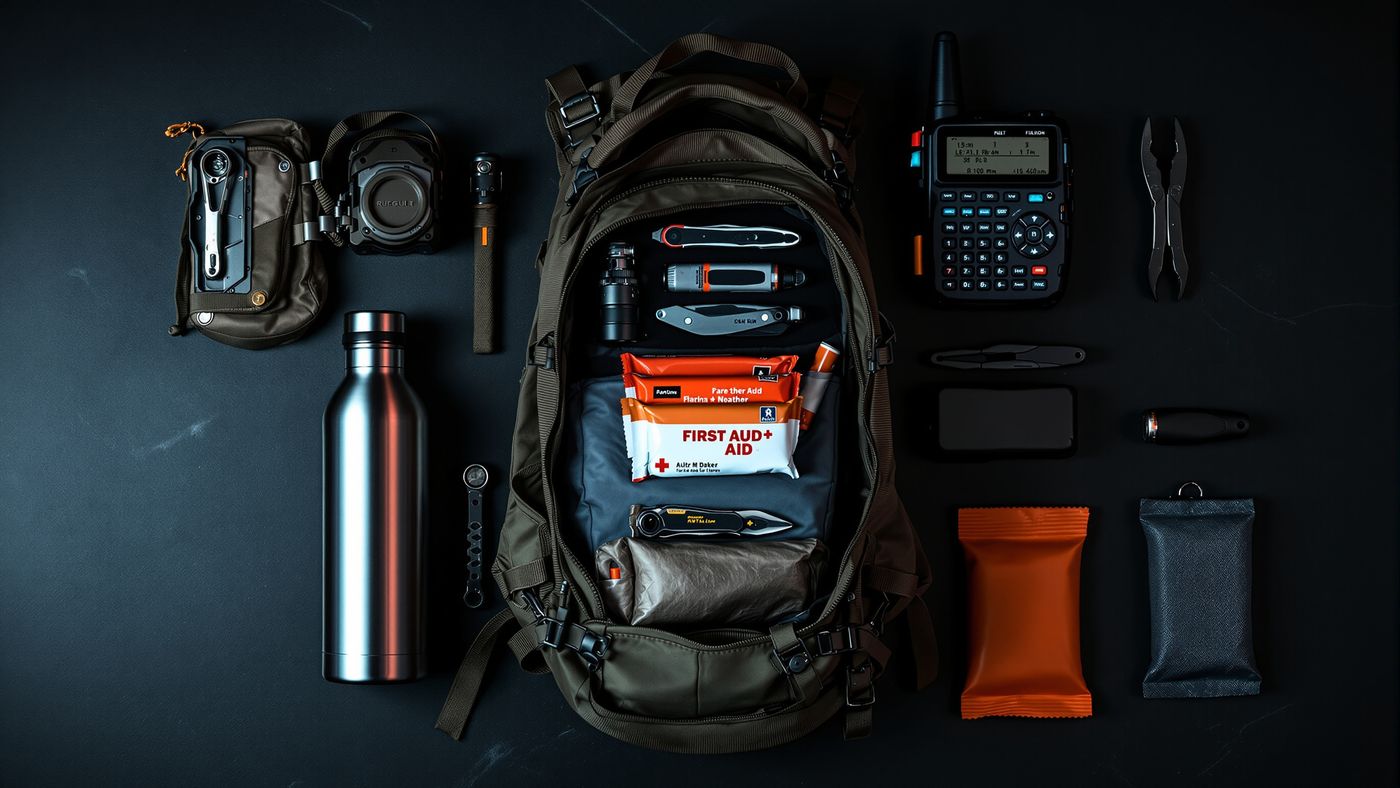
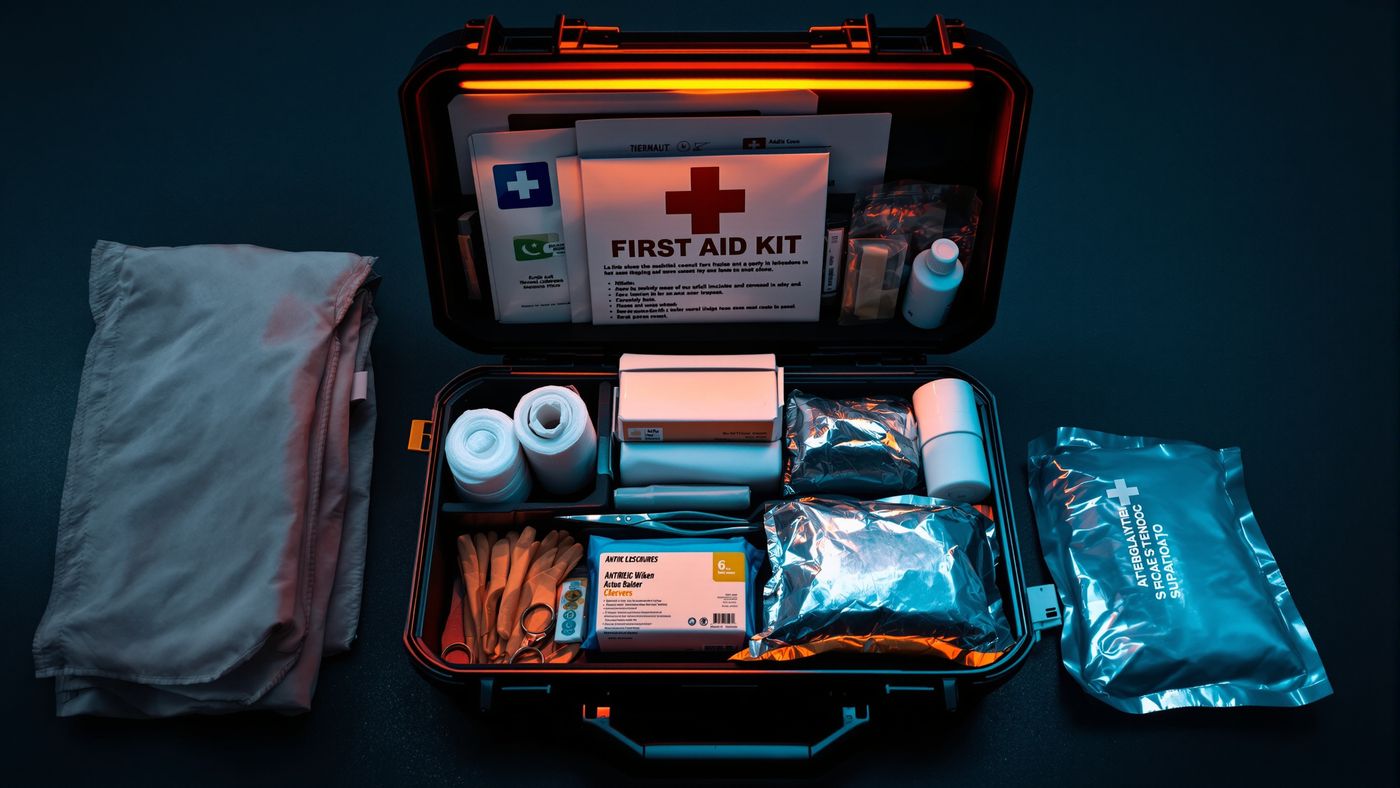
A kit you can find in the dark and open with one hand is worth more than a fancy one at the back of a cupboard. Keep one in the house and a smaller one in each car.
Core contents
- Adhesive plasters in several sizes, plus rolled gauze and trauma dressing
- Medical tape, and elastic (conforming) bandages for sprains
- A commercial tourniquet and a pair of trauma shears
- Disposable gloves, and a CPR face shield or mask
- Antiseptic wipes, and antibiotic ointment for minor cuts
- A thermometer and a space blanket to keep someone warm
- Any personal medications your family might need, plus a list of allergies and current medicines
Maintain it
Check and restock the kit at least once a year, and always after you use it. Replace expired medications and anything that's been opened. Store it somewhere everyone in the family can point to without searching.
Frequently asked questions
How long do I apply direct pressure to stop bleeding?
Keep firm, steady pressure on the wound for at least five to ten minutes without lifting to look. If blood soaks through, add more material on top and press harder rather than removing the first dressing. Once bleeding slows, bandage firmly in place and keep the limb raised if you can.
Should I use a tourniquet?
Only for life-threatening bleeding from an arm or leg that firm direct pressure won't stop and where the person could bleed to death before help arrives. Place it a few inches above the wound, tighten until bleeding stops, and write down the time you applied it. Once on, leave it on - don't loosen it.
How do I treat a burn at home?
Stop the burning, remove jewellery near the burn, and cool it under cool running water for at least 20 minutes. Don't use ice, butter, or ointments. Cover loosely with a clean, non-stick dressing. Seek emergency care for large burns or burns to the face, hands, feet, or genitals.
What are the signs of shock, and what should I do?
Look for pale, cool, clammy skin, a fast weak pulse, rapid shallow breathing, and restlessness or confusion. Call 911, lay the person down, raise their legs about 12 inches if they're not injured, keep them warm, control any bleeding, and give them nothing by mouth.
Can I move someone who fell and might have a spinal injury?
No - don't move them unless they're in immediate danger, such as a fire. Assume a spinal injury after any significant fall or impact, especially with neck or back pain, numbness, weakness, or confusion. Keep them still, keep them warm, and call for help.
What to do first
Do this first: put a first-aid kit where you can find it in the dark, and add a tourniquet and a CPR face shield if you don't have them. Then book a Red Cross first-aid and CPR course for your household. Reading this page gives you the plan; practising it once gives you the confidence to actually use it.