Evacuation Planning: When to Stay, When to Go
Most evacuations don't come with much warning. A wildfire shifts with the wind, a river crests faster than forecast, or a chemical release empties a neighbourhood in an afternoon. The families who leave calmly are rarely the ones deciding in the moment - they are the ones who wrote down a plan, packed a bag, and practised the route in advance. This guide walks you through evacuation planning the way emergency managers actually teach it: how to read official alerts, how to decide when to stay and when to go, and how to build a plan your whole household can follow.
Inside you'll find step-by-step guidance on family communication and meeting places, primary and secondary routes, a 72-hour go-bag, handling pets and fuel, hazard-specific tips for wildfire, flood and hurricanes, and what to do when you return home. Whether you're in the United States or Canada, the principles are the same - and so is the goal: get everyone out early, safely, and without a last-minute scramble.
The short version
- FEMA recommends households be prepared to be self-sufficient for at least 72 hours - a go-bag should cover that window for every person and pet.
- Know your area's alert language: 'evacuate now' means leave immediately, while 'be ready' means pack and monitor.
- Plan at least two routes out of your neighbourhood and drive both in daylight before you ever need them.
- Choose an out-of-area contact and a meeting place in case your household is separated and phone service is overloaded.
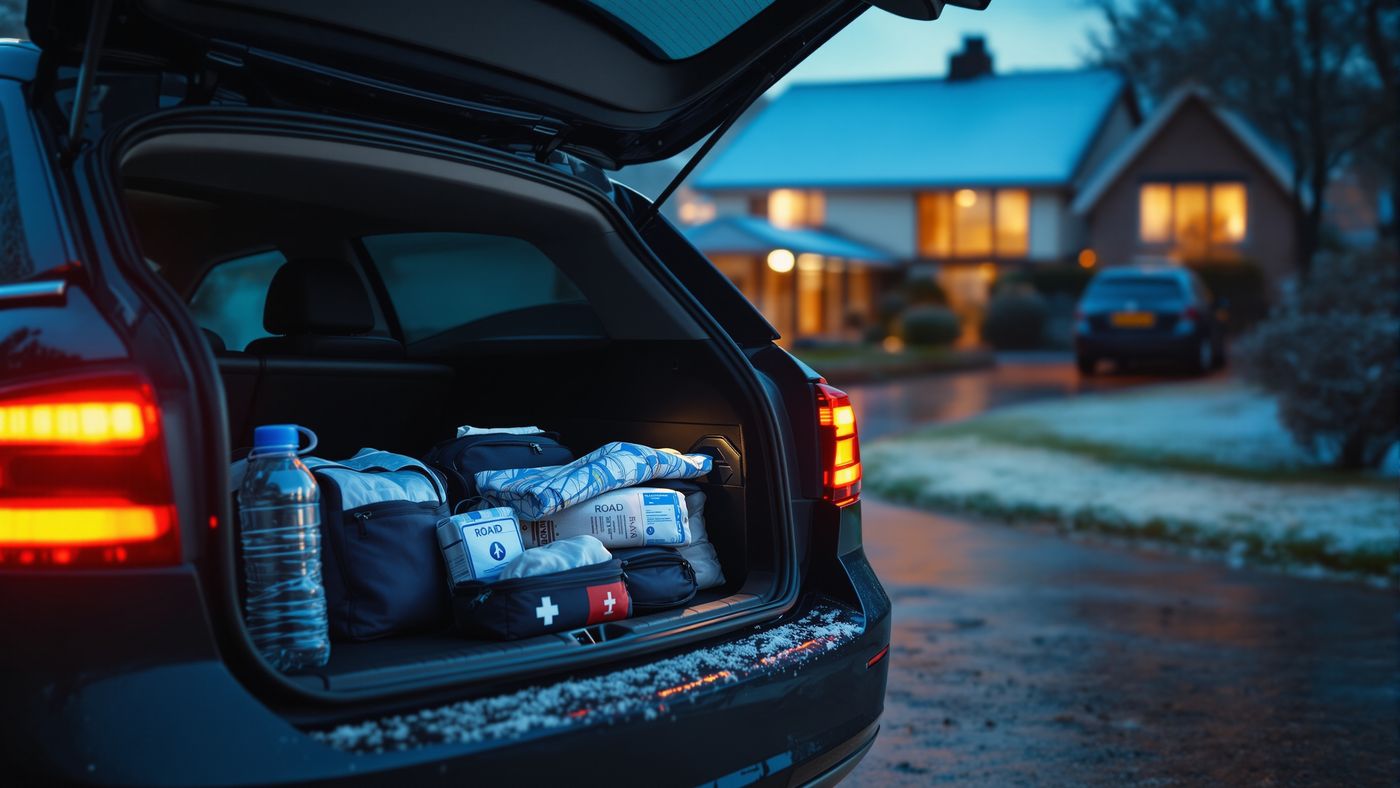
- Keep your vehicle at least half full of fuel, and store a go-bag in the trunk.
- Take pets with you - most emergency shelters do not accept animals, so identify pet-friendly options in advance.
- Photograph or video your home before you leave to support any insurance claim.
How Evacuation Alerts and Orders Work
Evacuation guidance comes in tiers, and the wording matters. Many U.S. jurisdictions use a three-stage system often described as Ready, Set, Go:
- Ready: a hazard is possible - review your plan, charge devices, and top off fuel.
- Set: be packed and ready to leave at a moment's notice; load the car and move pets and valuables toward the door.
- Go: leave now using your planned route, and don't wait for a knock on the door.
Many areas also issue voluntary and mandatory (or "ordered") evacuations. A voluntary order is a strong advisement to leave, especially if you have mobility, medical, or transportation challenges. A mandatory order means emergency officials have determined the area is unsafe - you should leave, and in some cases you may not be allowed back in until the order is lifted. In Canada, provinces and territories use their own alert wording, often delivered through Alert Ready, the national public alerting system, alongside municipal orders.
Wherever you live, the practical rule is the same: when a mandatory order is issued, go. If you wait until the danger is visible, roads may already be congested or cut off.
When to Stay and When to Go
The "when to stay" decision is real - but it applies to fewer situations than people assume. Emergency officials may ask you to shelter in place during certain chemical, radiological, or severe weather events, because leaving could put you in the path of the hazard. In those cases, stay inside, close windows and doors, turn off ventilation, and follow official instructions.
For most other hazards - wildfire, flood, hurricane, prolonged power loss - the guidance is to evacuate. Consider going early, before an order is even issued, if any of these apply:
- You or someone in your household has mobility, medical, or cognitive needs that slow travel.
- You have young children, or you're caring for an older adult.
- You have pets or livestock that need time to load and move.
- You rely on electricity for medical equipment, or on medications that need refrigeration.
- You live on a single road in or out, or in a low-lying, flood-prone, or heavily wooded area.
Leaving a few hours early is almost always easier than evacuating in the dark, in traffic, or through smoke.
This guide is part of the free The Ultimate Preppers Guide 2027 - 56 pages of checklists, tables and reference sheets you can print and keep.
Building a Family Evacuation Plan
A written plan turns a scary situation into a checklist. Pull your household together and work through these elements:
- Assign roles. Who grabs the go-bag, who handles pets, who secures the house? Write it down.
- Set two meeting places. One just outside your neighbourhood (in case of a house fire) and one outside the evacuation zone (in case you can't get home).
- Choose an out-of-area contact. A relative or friend in another city can relay messages when local networks are overloaded - everyone calls or texts that one person.
- Plan for school and work. Know your school district's reunification procedure and where your kids will be.
- Keep a paper copy. Store the plan in your go-bag, in your car, and on your phone - but remember batteries die.
Give every family member a wallet-sized card with the meeting places, the out-of-area contact, and key phone numbers. Children as young as school age can learn this.
Choosing Primary and Secondary Evacuation Routes
Never count on a single road. Identify at least two ways out of your community, and know which one to take if the first is blocked by traffic, water, or fire.
- Drive both routes in daylight so you recognise landmarks without GPS.
- Avoid routes that cross low bridges, flood-prone underpasses, or narrow canyon roads.
- Note gas stations, hospitals, and rest stops along each route.
- Check local emergency-management maps that mark evacuation zones - many are published online.
Keep a paper map of your region in the car. Navigation apps depend on cell service and data, which are often among the first things to fail.
Packing a 72-Hour Evacuation Go-Bag
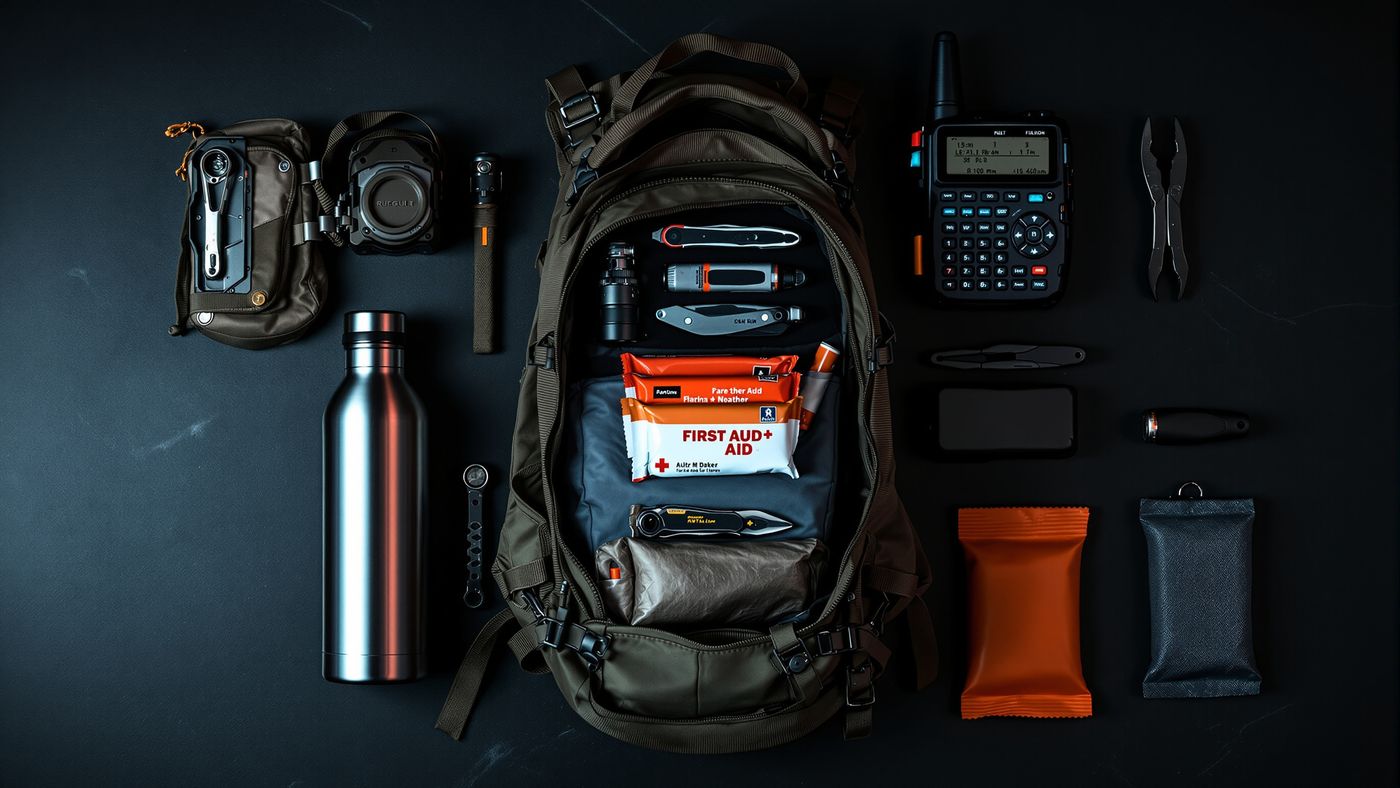
FEMA recommends that households be prepared to be self-sufficient for at least 72 hours. Your go-bag should cover that window for every person and pet. Pack a duffel or backpack per person that you can actually carry, plus a shared household bag.
Core contents
- Water: about 1 gallon (4 litres) per person per day, plus water for pets
- Non-perishable food and a manual can opener
- Battery or hand-crank radio and a flashlight with spare batteries
- First-aid kit and a seven-day supply of prescription medications
- Phone charger, power bank, and charging cables
- Copies of ID, insurance, and key documents in a waterproof bag, plus some cash in small bills
- Warm layer, rain gear, sturdy shoes, and a change of clothes
- Hygiene items, baby supplies, and pet food, leash, and carrier
Rotate food, water, and medications every six months so nothing expires, and store the bag where you can grab it in seconds.
Vehicles, Fuel, and Pets
Two details derail more evacuations than anything else: an empty tank and a pet left behind.
Keep your vehicle at least half full of fuel at all times. During a large evacuation, stations along the route sell out, and long idling in traffic burns more than you expect. Keep an emergency kit in the trunk - jumper cables, a blanket, water, a flashlight, and a paper map.
Take pets with you when you leave. Many emergency shelters do not accept animals for health and space reasons, so plan ahead: look up pet-friendly hotels, boarding kennels, and animal shelters along your route. Bring carriers, leashes, food, water, and vaccination records. If you must leave an animal behind, never tether it outdoors and never leave it in a vehicle - leave it indoors with food, water, and a note.
Hazard-Specific Evacuation Tips
Different hazards call for different decisions. Use the table below as a starting point, then learn the specific language and zones your local emergency-management office uses.
| Hazard | Key evacuation considerations |
|---|---|
| Wildfire | Leave early - smoke and spot fires move faster than forecasts. Close windows, and don't wait for a knock. |
| Flood | Never drive through water - moving water can sweep a vehicle away. Avoid low-lying routes and move to higher ground. |
| Hurricane | Know your evacuation zone (many use letters). Leave well before landfall and expect fuel and bridge closures. |
| Tornado | Shelter in place in the lowest interior room of a sturdy building; evacuation mainly applies to mobile homes. |
Whatever the hazard, the best time to leave is before the roads fill and the weather turns.
Practising Your Evacuation Plan
A plan you've never tried is only a guess. Once or twice a year:
- Run a "go" drill and time how long it takes everyone to grab bags and reach the car.
- Drive your primary route, then your secondary, in daylight.
- Test your out-of-area contact chain with a group text or call.
- Check that go-bags still fit, food is fresh, and medications are current.
Practice builds the muscle memory that keeps everyone calm when it counts.
Returning Home After an Evacuation
Do not return until officials say it's safe - downed power lines, contaminated water, and weakened structures are common after a hazard passes.
- Wait for an all-clear or "re-entry" notice from authorities.
- Watch for damaged electrical lines, gas leaks, and unstable trees or structures.
- Photograph any damage before you clean up, for insurance claims.
- Keep receipts for emergency spending, and contact your insurer promptly.
- Throw out food that has been above safe temperatures, and follow any boil-water advisory.
Give yourself time to recover - and use what you learned to update the plan for next time.
Frequently asked questions
Should I evacuate or stay if the order is voluntary?
A voluntary order means officials believe leaving is wise but not yet mandatory. If you have mobility, medical, or transportation challenges, young children, or pets, lean toward going early - it's far easier than evacuating in traffic or in the dark. If you stay, monitor official channels closely and be ready to leave immediately.
How much cash should I keep for an evacuation?
Keep a stash of small bills in mixed denominations - ones, fives, and tens - enough to cover a few days of fuel, food, and a motel room. Card readers, ATMs, and internet connections often fail in a widespread outage, so cash in small bills is what actually works. Store it in a waterproof bag inside your go-bag.
Will emergency shelters take my pets?
Many shelters do not accept animals for health and space reasons. Plan ahead by identifying pet-friendly hotels, boarding kennels, and animal shelters along your route. Bring carriers, leashes, food, water, and vaccination records, and never leave an animal tethered outdoors or locked in a vehicle.
How far in advance should I leave for a wildfire?
Earlier than feels necessary. Wildfires can shift direction and speed with the wind, and spot fires can start miles ahead of the main front. If you're in a "Set" stage, have the car loaded and go as soon as the order comes - or leave on your own judgment before roads congest.
What is the 72-hour rule?
FEMA recommends households be prepared to be self-sufficient for at least 72 hours after a disaster, because it can take that long for organised help to reach everyone. Building your go-bag and supplies around a three-day window for each person and pet is a widely used starting point.
Do I need a paper map if I have GPS?
Yes. Cell networks and data are often overloaded or down during evacuations, and charging isn't guaranteed. A paper map of your region, marked with your primary and secondary routes, works when your phone doesn't.
What to do first
Start today with one step: gather your household, pick your two meeting places and your out-of-area contact, and write them on a card for every wallet. Then pack a 72-hour go-bag and drive your primary route once in daylight this month. A plan you've touched is a plan you'll actually use.