Emergency Financial Preparedness: Money That Works
A storm knocks out power across a whole region. Card terminals go dark, ATMs sit empty or offline, and the fuel station still open takes cash only. In those first hours and days, the difference between a stressful inconvenience and a real crisis often comes down to a few practical preparations most people never make.
Emergency financial preparedness isn't about hoarding money - it's about making sure your money and your records still work when the systems you rely on don't. This guide covers how much cash to keep and in what denominations, what belongs in an emergency financial kit, how to back up critical documents with the 3-2-1 rule, the insurance exclusions worth checking before you need them, and how to document your belongings so a claim goes smoothly.
The short version
- Keep cash in small bills - ones, fives, and tens - because registers and ATMs may be offline and change may be scarce.
- Store copies of ID, insurance policies, deeds, and passports in a fireproof safe or waterproof bag, plus encrypted cloud storage.
- Follow the 3-2-1 backup rule: three copies of important files, on two different media types, with one copy kept offsite.
- Check your policy for sewer-backup, overland-flood, and earthquake coverage - these are commonly sold as separate add-ons.
- Photograph or video every room and your valuables, including serial numbers, before a loss - not after.
- Split your cash and documents across more than one location so a single loss can't take everything.
- Keep an emergency fund in a form you can actually reach when the power is out for days.
Why Cash Still Matters in an Outage
When the grid goes down, so does most of the payment system. Card readers need power and an internet or phone connection; ATMs need the same, plus cash to dispense. In a wide outage, "cash only" becomes the norm at the few stores, fuel stations, and pharmacies still open, and small-bill transactions move fastest because nobody can make change.
This isn't a doomsday scenario - it's ordinary severe weather. Ice storms, hurricanes, wildfires, and even a localised grid failure can interrupt electronic payments for hours or days. Having cash on hand means you can buy fuel, food, water, medication, or a night's lodging when cards won't work.
How Much Cash to Keep and In What Bills
There's no single right number, but a widely used rule of thumb is to keep enough to cover a few days of essentials: fuel, food, water, medication, and possibly a motel room. Work out what a short trip would cost your household, then round up.
- Favour small bills. Ones, fives, and tens are the most useful when change is scarce.
- Include a few larger bills for bigger needs, but don't rely on them alone.
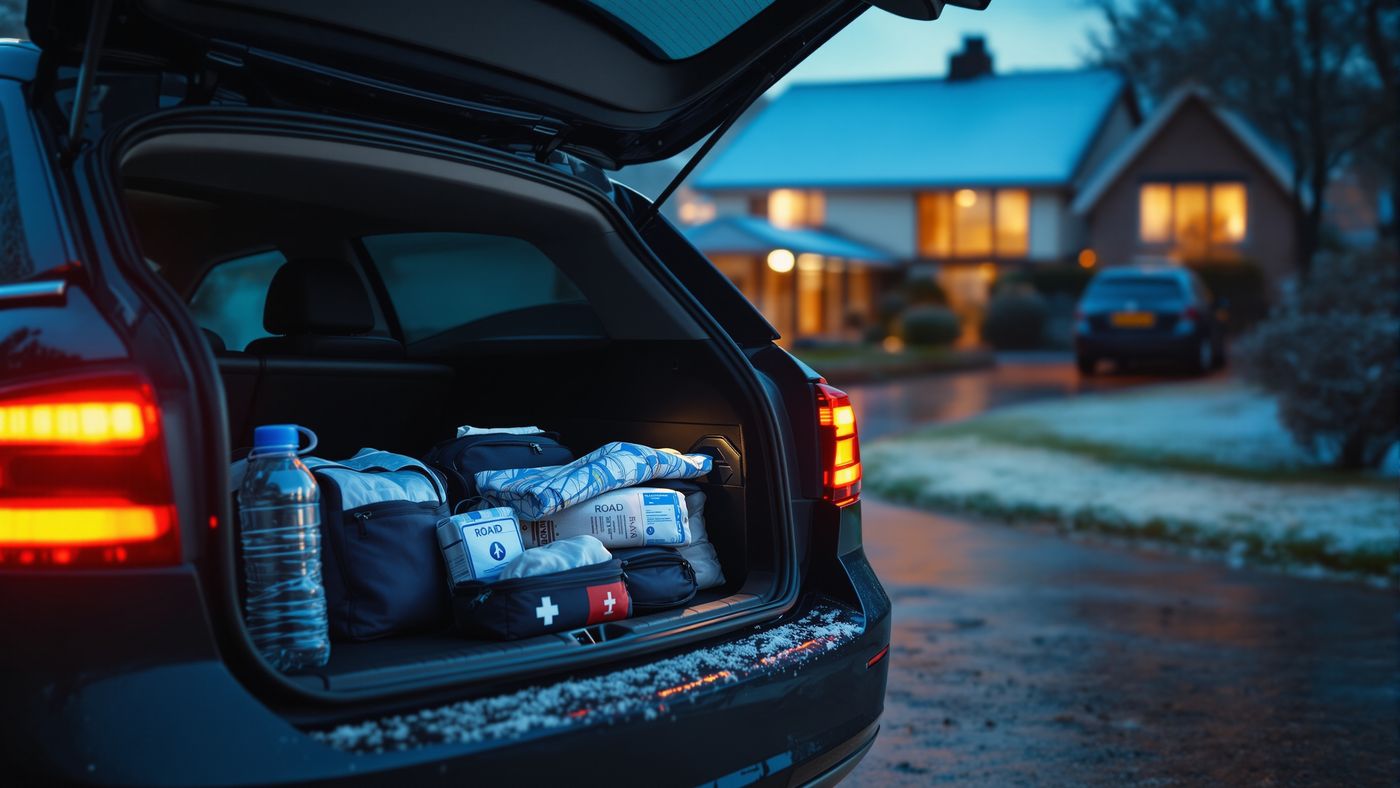
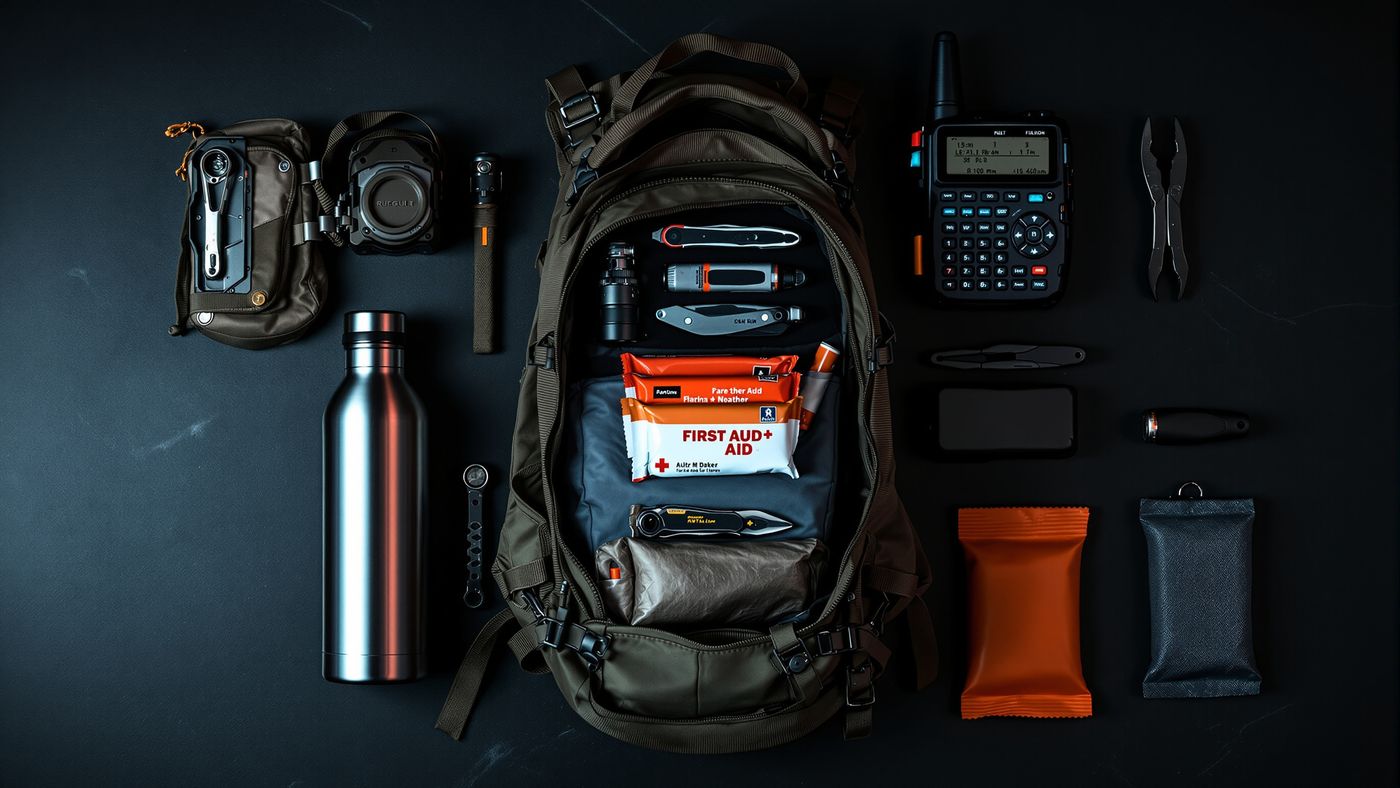
- Split the stash. Keep some in your go-bag, some in a home safe, and a small amount in your vehicle.
- Store it dry. A waterproof bag or pouch protects bills from flood and humidity.
Keep each stash small enough that losing one isn't a disaster, and review the amounts twice a year.
This guide is part of the free The Ultimate Preppers Guide 2027 - 56 pages of checklists, tables and reference sheets you can print and keep.
Building an Emergency Financial Kit
An emergency financial kit is a small, portable collection of the records and money you'd need if you had to leave quickly or prove who you are after a loss. A waterproof document pouch or folder works well.
What to include
- Cash in mixed, small denominations
- Copies of government-issued photo ID for each adult
- Copies of insurance policies (home, auto, health)
- Copies of deeds, leases, and vehicle titles
- Passport copies and, for cross-border travel, original passports where practical
- A list of key contacts, account numbers, and your insurance agent's details
- A small USB drive holding scanned documents
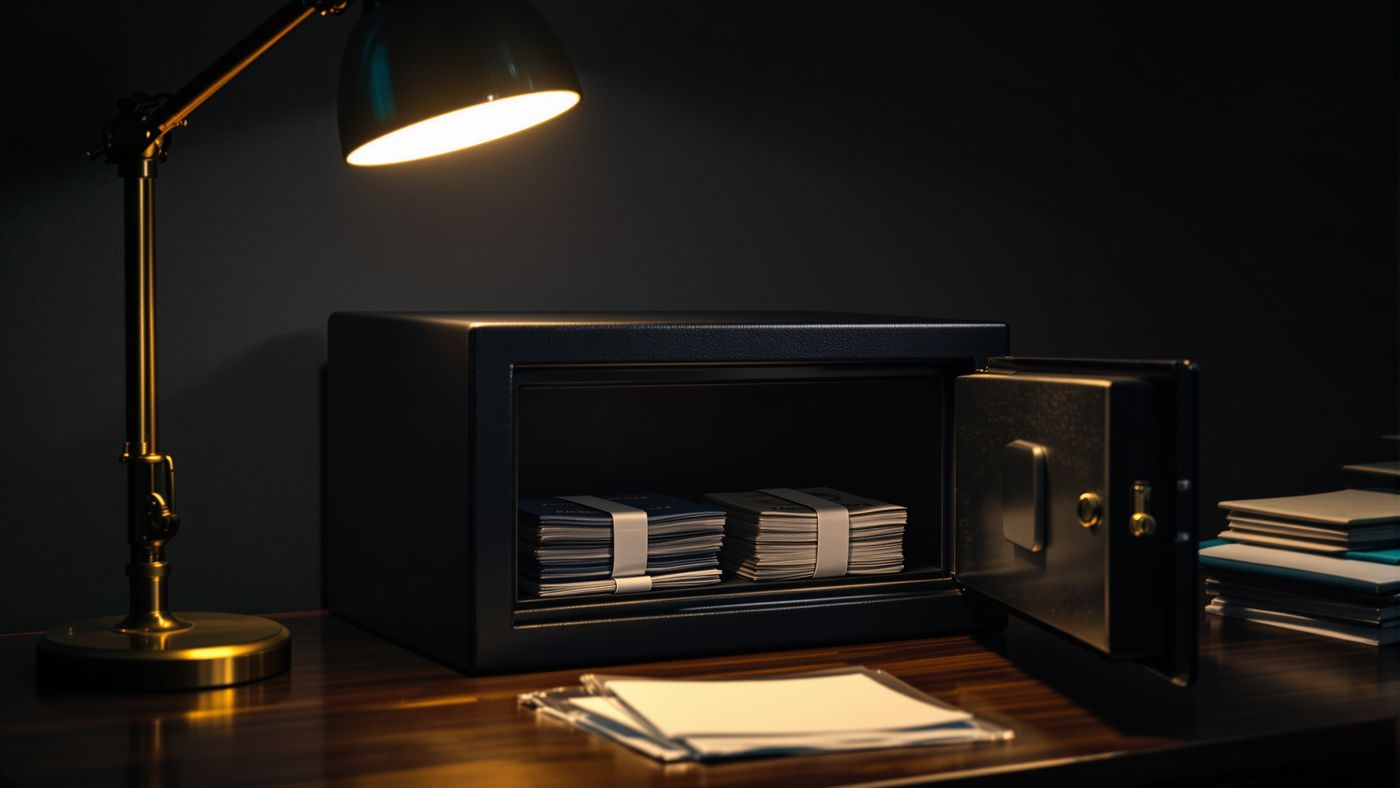
Keep originals of irreplaceable documents in a fireproof safe, and carry copies in your kit.
Protecting Documents from Fire, Flood, and Loss
Paper records are vulnerable to exactly the events you're preparing for. Use two layers of protection:
- A fireproof and waterproof safe or box at home for originals - deeds, passports, birth certificates, insurance policies.
- A waterproof bag for the copies you carry in your go-bag, so a wet backpack doesn't ruin them.
- Encrypted cloud storage for scanned copies, so you can retrieve them from anywhere - provided you use a strong password and two-factor authentication.
The goal is simple: no single fire, flood, or theft should be able to destroy every copy of something you can't easily replace.
The 3-2-1 Backup Rule for Critical Records
Borrowed from data protection, the 3-2-1 rule is an easy way to remember a robust records strategy:
- Three copies of anything important.
- On two different types of media - for example, paper and a digital drive.
- With one copy kept offsite - encrypted cloud storage or a trusted relative's home.
Applied to your household: originals in the safe, scans on an encrypted cloud service, and a USB drive at a relative's home or in a safe-deposit box. That way a house fire can't erase your ability to prove ownership or identity.
Insurance Exclusions That Catch Homeowners Off Guard
Many homeowners assume their policy covers everything. In practice, several common perils are excluded or capped and must be bought separately.
| Coverage | What to check |
|---|---|
| Sewer backup | Often excluded; an inexpensive rider can cover water backing up into your home. |
| Overland flood | Usually not in a standard policy; separate flood insurance is common. |
| Earthquake | Almost always a separate policy or endorsement. |
| Valuables and home business | Contents limits may cap jewellery, electronics, or home-office equipment. |
Read your policy - or call your agent - and ask directly: "What's excluded, and what does a rider cost?" Do this before you need it.
Documenting Your Belongings for a Claim
If you ever file a claim, the insurer will ask you to prove what you owned and what it was worth. Take an hour now to build that evidence:
- Walk through every room and record a slow video, opening closets and cabinets.
- Photograph high-value items and note their model and serial numbers.
- Keep receipts for major purchases in your records backup.
- Store the photos and video in your encrypted cloud account and on a USB drive.
- Re-shoot once a year - households change.
This simple record can speed up a claim considerably and reduce disputes over what you owned.
Digital Resilience: Passwords and Account Access
Money is increasingly accessed online, which makes account access part of preparedness.
- Use a password manager and turn on two-factor authentication.
- Save backup codes for important accounts where you can reach them without your phone.
- Keep an offline list of critical logins and account numbers in your safe.
- Know your bank's and insurer's phone numbers - write them down.
- Register for your bank's fraud alerts and keep your contact details current.
If your phone is lost or the network is down, you'll be glad you can still reach your accounts - or at least call someone who can help.
Managing Money and Aid After a Disaster
After the immediate emergency, a few habits protect you financially:
- Keep every receipt. Emergency spending and repair costs may be reimbursable or deductible.
- Contact your insurer promptly and keep a log of claim numbers and conversations.
- Register for assistance if a disaster is declared - programs exist on both sides of the border for individuals and households.
- Beware of scams that follow disasters; never pay upfront for promised aid or repairs, and verify contractors before hiring.
- Rebuild your emergency fund as soon as you can.
Good records turn a chaotic recovery into a manageable process.
Frequently asked questions
How much emergency cash is enough?
There's no fixed number, but a common approach is enough to cover a few days of essentials - fuel, food, water, medication, and possibly lodging. Keep it in small bills, split across a go-bag, a home safe, and your vehicle, and review it twice a year.
Why keep small bills instead of larger ones?
In an outage, stores and fuel stations may be running on cash and short on change, so ones, fives, and tens keep transactions quick. Include a few larger bills for bigger needs, but don't rely on them alone.
What documents belong in an emergency financial kit?
Cash, copies of ID, insurance policies, deeds or leases, vehicle titles, passport copies, key contacts, and account numbers - plus a USB drive of scans. Keep originals in a fireproof safe and copies in a waterproof pouch.
What is the 3-2-1 backup rule?
Keep three copies of important files, on two different types of media, with one copy stored offsite. For household records, that might mean originals in a safe, scans in encrypted cloud storage, and a USB drive at a relative's home.
Does homeowners insurance cover flooding?
Usually not. Overland flood is typically excluded from a standard policy and sold separately, and sewer-backup and earthquake coverage are also commonly add-ons. Ask your insurer directly what your policy excludes.
How should I document my belongings for insurance?
Take a slow video walkthrough of every room, photograph valuables and their serial numbers, keep receipts for major items, and store the record in encrypted cloud storage plus a USB drive. Update it about once a year.
What to do first
Pick one action this week: put a small stash of ones, fives, and tens in a waterproof bag in your go-bag, and scan your ID, insurance policy, and deed into encrypted cloud storage. Then call your insurer and ask what your policy excludes. These three steps take an afternoon and can save weeks of stress after a disaster.