Cooking Without Power: Safe Emergency Methods
When the power goes out, the first question many families face isn't shelter - it's dinner. With the fridge warming, the microwave dead, and no way to boil water, a prolonged outage can turn three days of groceries into a food-safety problem and a hungry household.
The good news: cooking without power is straightforward if you plan ahead and know the safety rules. This guide covers which fuel-burning devices must stay outside, the indoor options that are safe, no-cook and minimal-cook meal ideas, how to keep food and water safe during an outage, and how to store fuel correctly. Safety comes first - the most common outage mistakes involve carbon monoxide and spoiled food, and both are preventable.
The short version
- Never use charcoal grills, camp stoves, or portable generators indoors, in a garage, or in any enclosed space - they produce carbon monoxide.
- A closed refrigerator keeps food safe for about 4 hours; a full freezer holds a safe temperature for roughly 48 hours.
- Keep a manual can opener and, for outdoor use, a butane or propane camp stove in your emergency supplies.
- Canned heat and an established wood stove or fireplace are among the safer indoor options when used with care and ventilation.
- Stock no-cook foods - canned beans, tuna, peanut butter, and shelf-stable meals - so you're not relying on heat at all.
- Store propane and butane cylinders outdoors, never indoors, and keep them away from heat sources.
- Discard perishable food left above 40°F (4°C) for more than 2 hours - when in doubt, throw it out.
Plan for Cooking Before the Power Goes Out
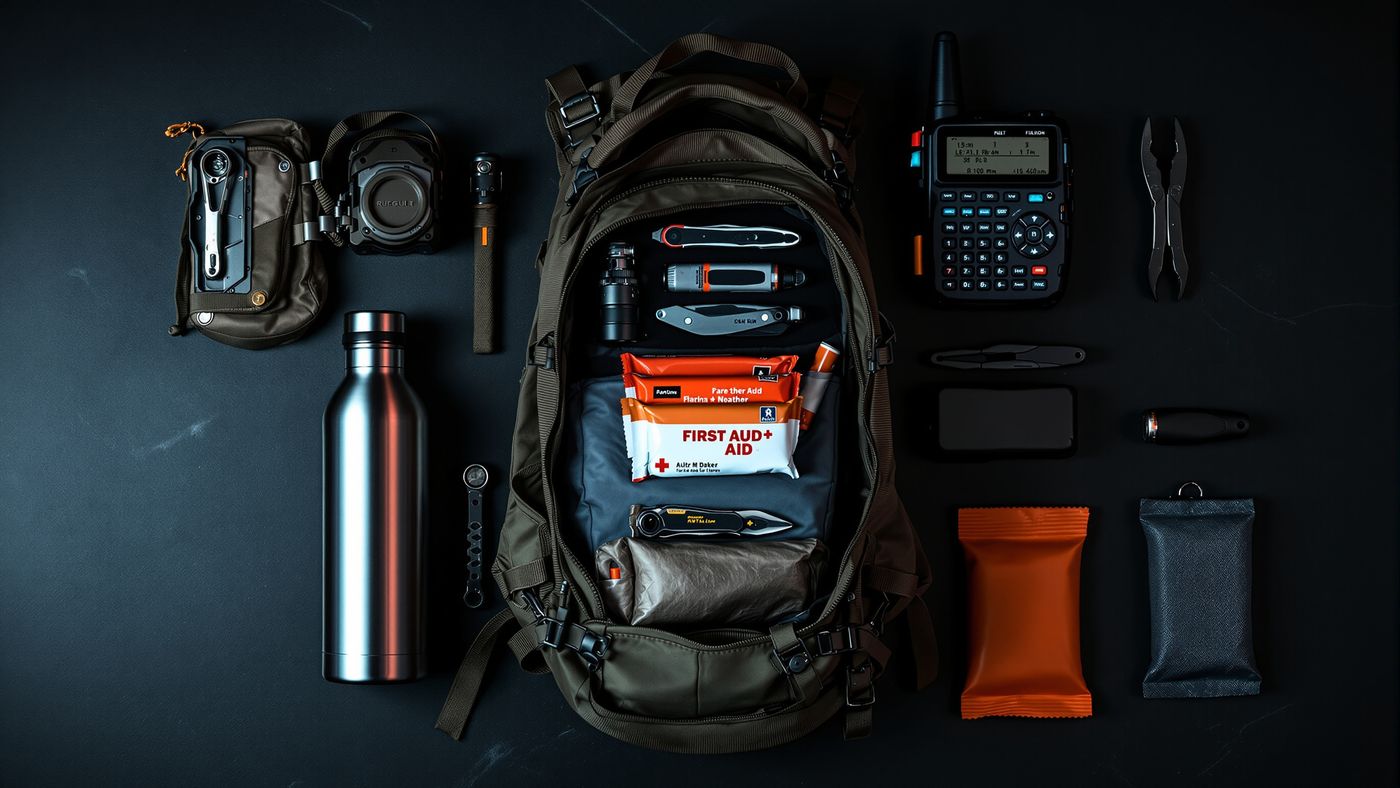
You don't want to be figuring out how to cook in the dark. Build a small cooking kit now and store it with your other emergency supplies:
- A portable camp stove or butane burner for outdoor use, with fuel
- A manual can opener (electric ones are useless in an outage)
- Matches, a lighter, and a fire starter in a waterproof container
- A spare propane or butane cylinder, stored safely
- A thermometer for the fridge and freezer
- No-cook foods and a supply of bottled water
Test your stove outdoors before you need it, so you know it works and roughly how long a fuel can lasts.
Carbon Monoxide: The Rule That Matters Most
Every fuel-burning device - charcoal, propane, butane, gasoline, kerosene, and wood - produces carbon monoxide (CO), an invisible, odourless gas that can kill within minutes in an enclosed space.
The rule is absolute:
- Never burn charcoal or run a camp stove, portable generator, or propane heater inside a home, garage, basement, tent, or camper.
- Use them only outdoors, well away from windows, doors, and vents so fumes can't drift back inside.
- Install battery-operated CO alarms on every level of your home and test them regularly - basic home safety, outage or not.
If anyone develops a headache, dizziness, nausea, or confusion while a fuel device is running, get everyone into fresh air immediately and call for help.
This guide is part of the free The Ultimate Preppers Guide 2027 - 56 pages of checklists, tables and reference sheets you can print and keep.
Camp Stoves and Portable Butane Burners: Outdoor Use Only
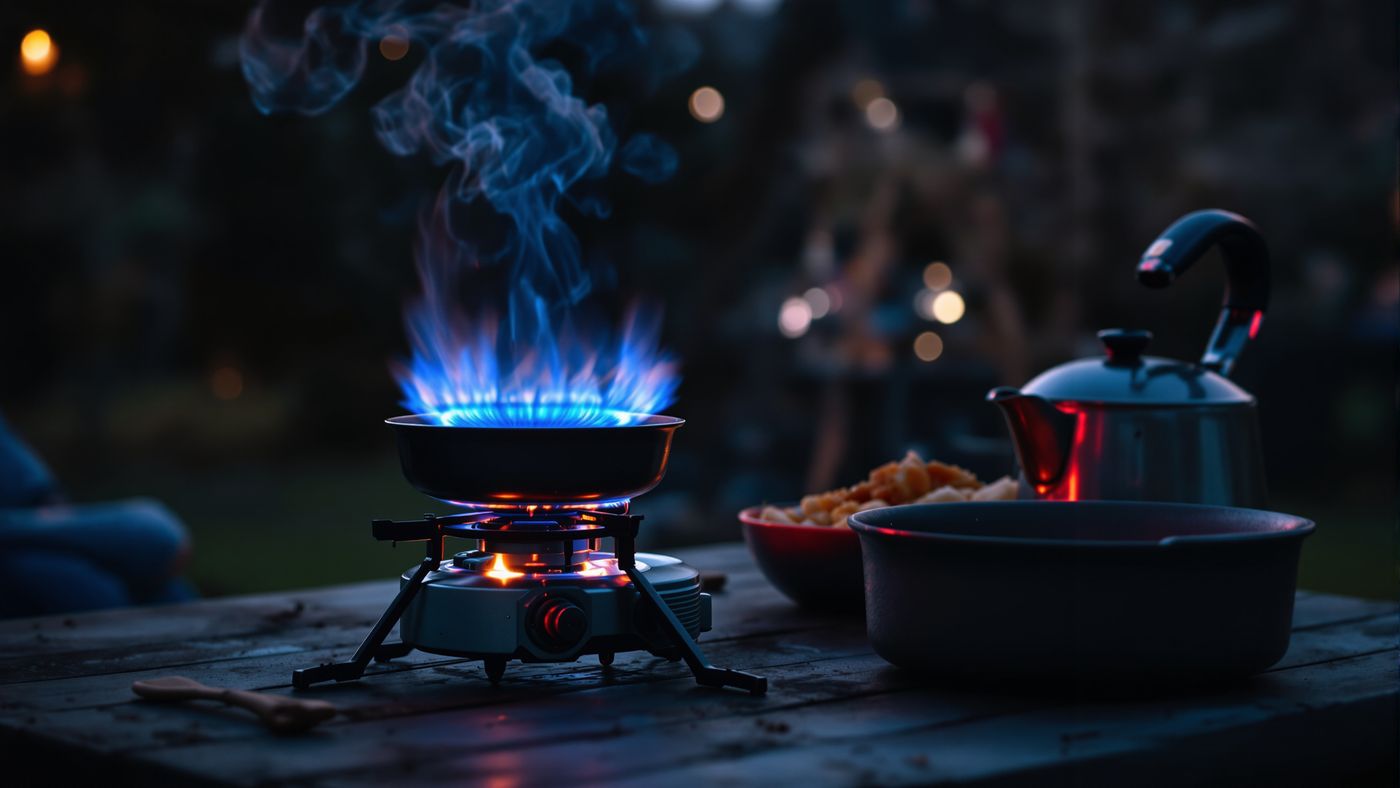
Camp stoves and single-burner butane or propane stoves are the workhorses of outage cooking - with one condition: use them outside.
- Set up on a stable, non-flammable surface like a driveway, patio, or cleared ground.
- Keep them away from walls, overhangs, dry grass, and anything that can catch fire.
- Never leave a lit stove unattended, and keep children and pets back.
- Follow the manufacturer's instructions for connecting and changing fuel canisters - do this with the stove off and away from open flame.
Butane and small propane canisters are convenient and store well, but they are outdoor products. Treat them that way.
Grills, Fire Pits, and Outdoor Cooking
Your charcoal or gas grill is an excellent outdoor kitchen during an outage - and a serious hazard if it comes inside. Never bring a grill into a garage, porch, or home to cook, even in cold weather, and don't use a grill on an apartment balcony where fumes can enter other units.
If you have a fire pit or outdoor fireplace, check local burn bans first - they're often in force during the hot, dry conditions that cause outages - and keep a way to extinguish the fire ready.
Safe Indoor Options: Wood Stoves, Fireplaces, and Canned Heat
A few options can safely provide heat indoors when used correctly:
- An established wood stove or fireplace you already use for heat. Burn only dry, seasoned wood, keep the flue open and clear, and never leave a fire unattended. Have the chimney inspected and cleaned regularly.
- Canned heat (chafing fuel). Small cans of jellied fuel are designed to warm food in a chafing dish. Used as directed, on a stable, heatproof surface with ventilation, they can reheat a meal - but they are not for cooking raw food or boiling large pots of water.
- Fondue or chafing setups that use canned heat, following the manufacturer's guidance.
Never use a charcoal grill, camp stove, or generator indoors, and don't improvise with appliances not designed for cooking. When in doubt, keep it outside or go no-cook.
No-Cook and Minimal-Cook Foods
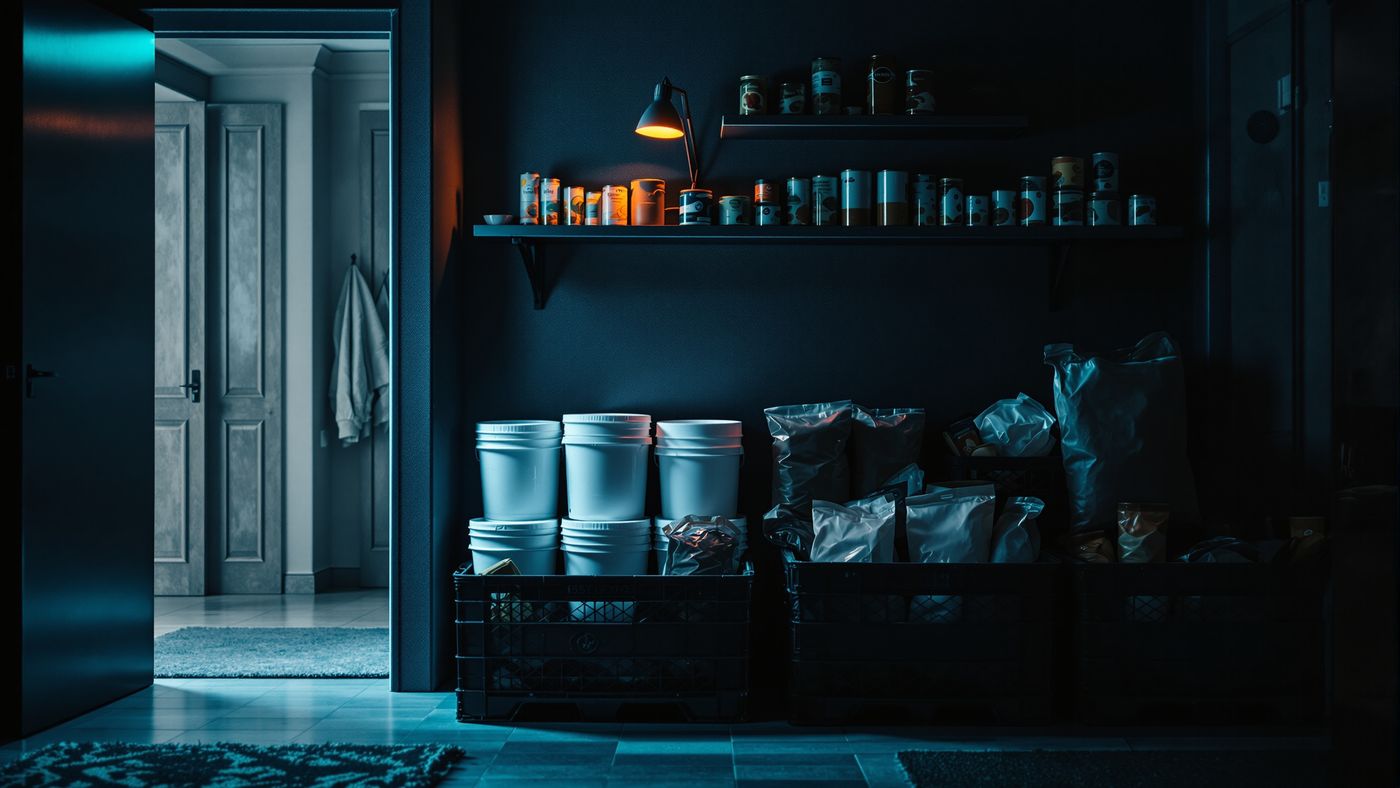
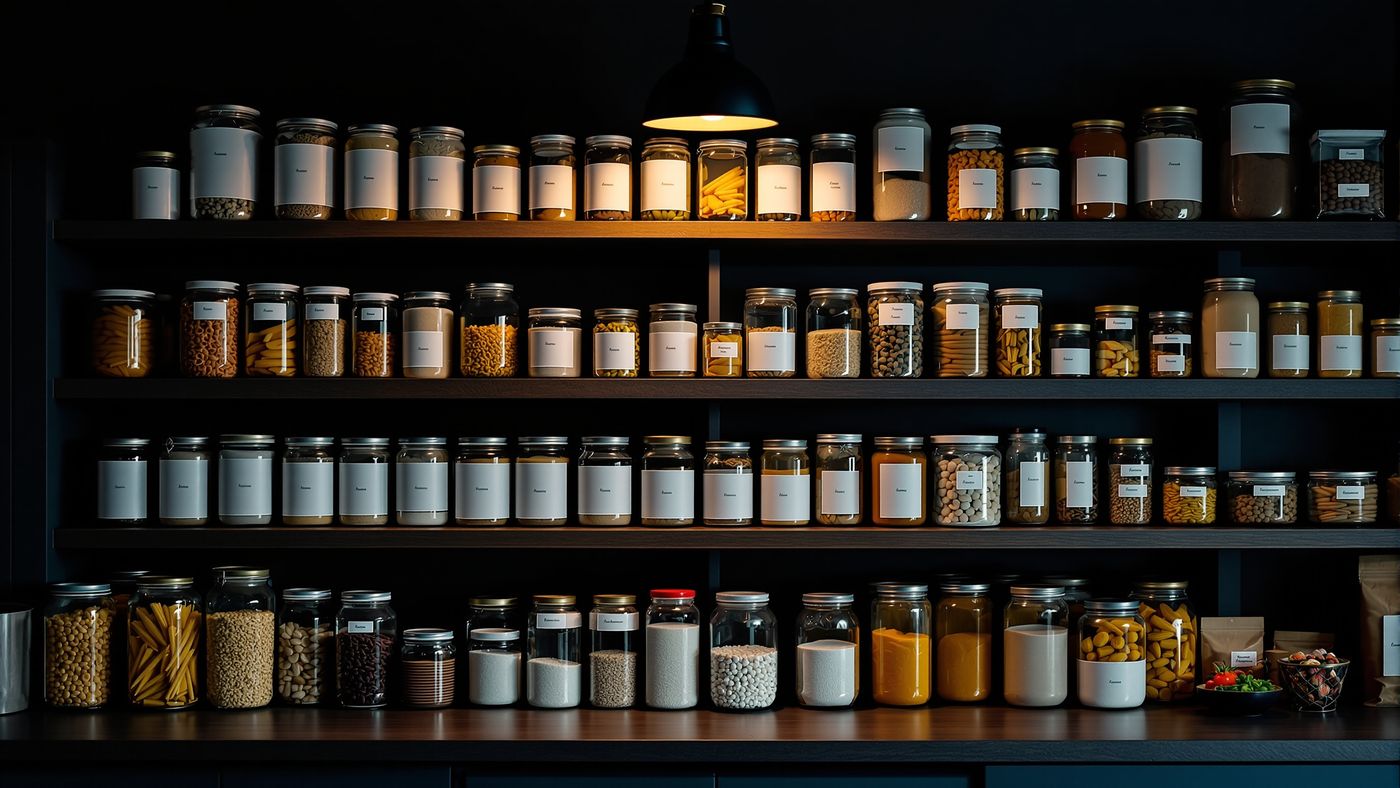
The safest outage meal needs no heat at all. Stock foods that are ready to eat straight from the package:
- Canned beans, tuna, salmon, and chicken
- Peanut butter and nuts
- Crackers, tortillas, and shelf-stable bread
- Canned or dried fruit and applesauce cups
- Shelf-stable milk and juice boxes
- Granola and protein bars
- Instant coffee and tea that dissolve in cold or hot water
Pair a protein, a carbohydrate, and a fruit or vegetable for a balanced plate. Keep a manual can opener with this food and rotate stock so nothing expires. For families, a paper list of no-cook meals takes the guesswork out of a stressful day.
Keeping Food and Water Safe During an Outage
Food safety is the other half of cooking without power. Follow these widely published guidelines:
- Refrigerator: food stays safe for about 4 hours if you keep the door closed. After that, move what you can to a cooler with ice.
- Freezer: a full freezer holds a safe temperature for roughly 48 hours (about 24 hours if it's half full). Keep the door shut.
- Thermometer rule: discard perishable food left above 40°F (4°C) for more than 2 hours. When in doubt, throw it out - foodborne illness isn't worth the risk.
- Group food together in the fridge and freezer to help it stay cold longer.
Keep a fridge/freezer thermometer on hand so you can check, and never taste food to judge whether it's safe.
Heating Water and Boil-Water Advisories
Water is the other outage essential. If a boil-water advisory is issued, bring water to a rolling boil for at least one minute (add a few minutes at high altitude) before drinking, cooking, or brushing teeth - or use bottled water. Heating water requires a camp stove or another outdoor-appropriate heat source; don't try to boil large pots indoors over canned heat.
Keep bottled water on hand so you're not forced to purify in the middle of an outage - about 1 gallon (4 litres) per person per day for drinking and basic hygiene.
Storing Fuel Safely
Fuel for a camp stove or grill needs respect:
- Store propane and butane cylinders outdoors, upright, in a well-ventilated place away from heat, sparks, and direct sun.
- Never store fuel cylinders indoors, in a garage, or near a furnace or water heater.
- Check cylinders for damage, and never use one that's dented or rusted.
- Keep a fire extinguisher rated for the fuel you store, and know how to use it.
- Follow local rules for how much fuel you may legally store at home.
Stored well and used outside, a little fuel can keep your household fed through a multi-day outage.
Frequently asked questions
Can I use a camp stove indoors during a power outage?
No. Camp stoves, butane burners, propane grills, and generators all produce carbon monoxide and must be used outdoors, away from windows and vents. Using them indoors, in a garage, or in a tent can cause fatal carbon monoxide poisoning.
How long does food stay safe in a fridge without power?
A closed refrigerator keeps food safe for about 4 hours; a full freezer holds a safe temperature for roughly 48 hours (about 24 if half full). Discard perishable food left above 40°F (4°C) for more than 2 hours.
What can I cook indoors without electricity?
An established wood stove or fireplace you already use, and canned heat on a stable, heatproof surface with ventilation, are the main indoor options. Neither replaces an outdoor stove for cooking raw food or boiling large pots, so keep no-cook foods on hand too.
What foods should I keep for a power outage?
Ready-to-eat items: canned beans, tuna, and chicken; peanut butter; crackers and shelf-stable bread; dried and canned fruit; shelf-stable milk; granola bars; and instant coffee or tea. Keep a manual can opener with them and rotate stock so nothing expires.
How do I make water safe if there's a boil-water advisory?
Bring water to a rolling boil for at least one minute, then let it cool before use - add a few minutes at high altitude. Use bottled water if you can't boil safely. Store about 1 gallon (4 litres) per person per day.
Where should I store propane and butane?
Outdoors, upright, in a well-ventilated spot away from heat, sparks, and direct sun. Never store fuel cylinders indoors or in a garage, and check them for dents or rust before use.
What to do first
Do two things this week: buy a manual can opener and a small stash of no-cook foods, and test your camp stove outdoors on a stable, fire-safe surface. Then check that your home has working carbon monoxide alarms on every level. Those steps make a multi-day outage far easier - and safer.