Best Pre-Assembled 72-Hour Emergency Kits
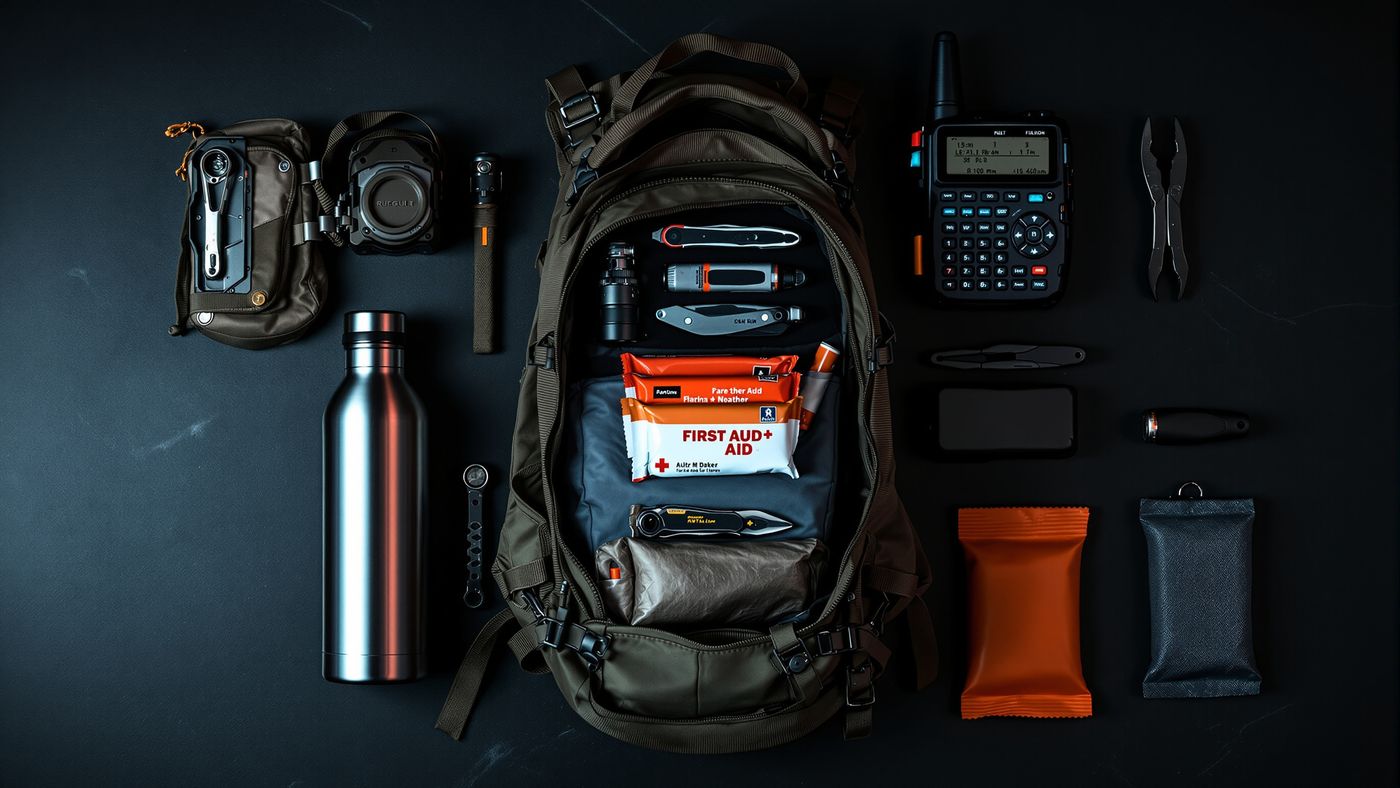
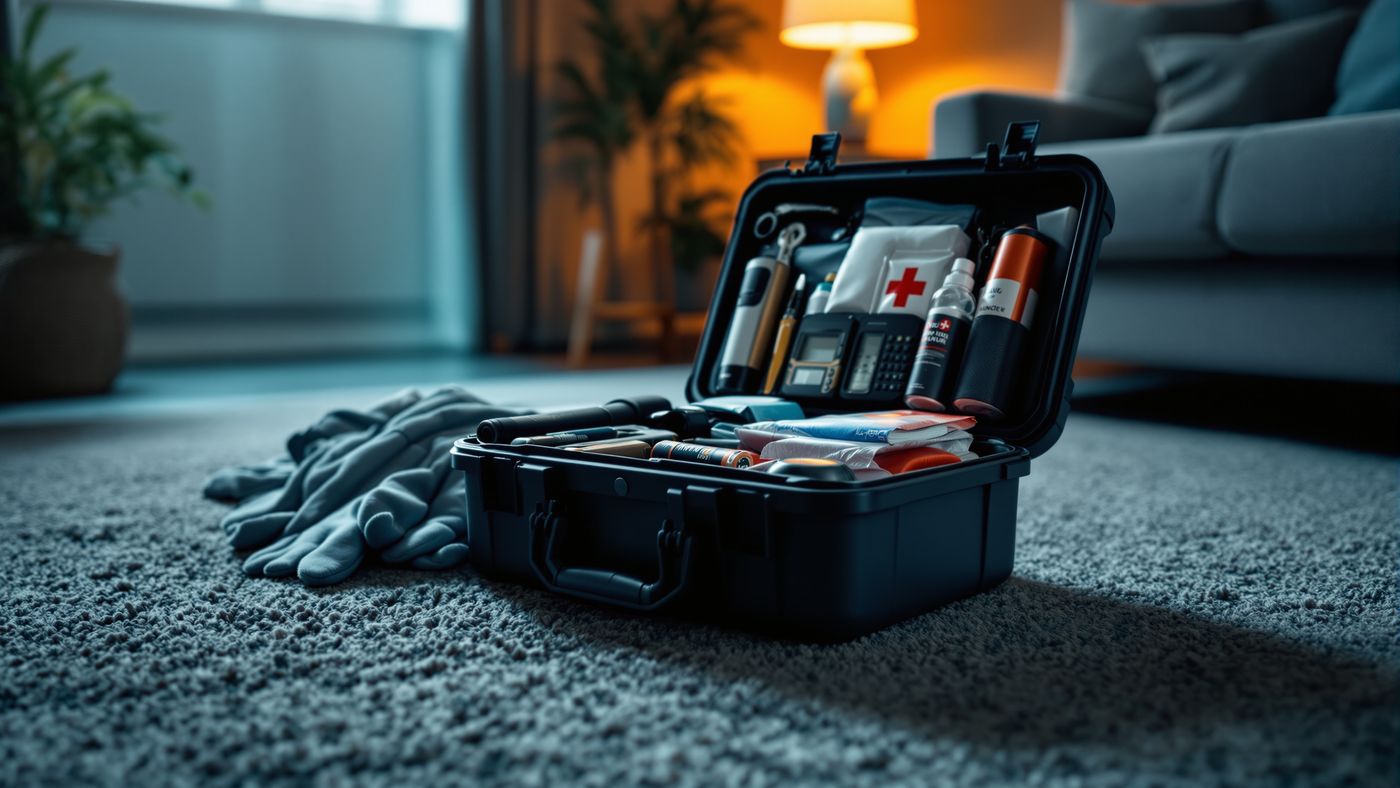
A pre-assembled 72-hour emergency kit is the shortcut around the hardest part of getting prepared: knowing what to buy. Instead of assembling water, light, first aid, and documents item by item, you buy a single bag or box built to cover three days for a set number of people. For busy households, that convenience is often the difference between having a kit and having a plan that never quite gets finished.
This guide compares the leading pre-assembled 72-hour emergency kits and explains what separates a good one from a bag of filler. We cover what kits typically include, what they quietly leave out, how to match a kit to your household size, and how to keep it ready over the years - so you can buy with confidence rather than guessing at the glossy day count on the box.
We are experienced buyers, not a testing lab, so this guide is built from published contents lists and the practical questions that decide whether a kit is worth owning: what it actually contains, how many people it realistically covers, whether the bag will survive being carried, and how easily the contents can be rotated as they expire. We favour established brands with transparent contents and a real support presence, and we are honest that most kits are a starting point rather than a complete plan. We do not invent ratings or awards, and where a figure matters we point you to the current contents list instead of quoting a number we cannot verify.
Our picks
American Red Cross emergency kits
Typical price band: $50-200 depending on kit and size
The American Red Cross sells emergency preparedness kits and supplies that lean on the organization's long experience in disaster response, with contents chosen for realistic scenarios rather than novelty. Kits are typically organized by household size and focus on the essentials: first aid, light, a way to hear alerts, and basic tools and hygiene. The branding carries a level of public trust that most commercial kits cannot match, and the contents lists are published so you can see exactly what you are getting. As with any kit, plan to top it up with water, food, and personal items the box does not include.
- Who it suits: households that want a reputable, sensibly built starting kit they can expand themselves.
- Watch for: contents that still need supplementing with water, food, and medication.
- SourceAmerican Red Cross preparedness supplies
- SizingOptions for individuals and households
- FocusFirst aid, light, alerts, tools, hygiene
- Bag typeBackpack or soft bag depending on kit
- Best forA trustworthy, expandable starting kit
- NoteCheck the current contents list; add water and food
Pros
- Backed by a respected disaster-response organization
- Practical contents chosen for real scenarios
- Published contents lists you can review before buying
Cons
- Still needs water, food, and personal items added
- Fewer all-in-one bundles than some commercial brands
Affiliate link - we may earn a commission at no cost to you.
Ready America emergency kits
Typical price band: $30-150 depending on kit and size
Ready America is a long-established supplier of household emergency kits, sold widely through big-box retailers and online. Its kits typically bundle the core categories - first aid, light, a radio or alerts device, tools, warmth, and hygiene - at prices that make it easy to kit out a whole family. Contents are often scaled by person count, and the packaging ranges from soft bags to rolling cases. The value is real, but so is the usual caveat: read the contents list, because the entry-level kits are leaner than they look and expect you to add water and food.
- Who it suits: families buying several kits at once on a budget.
- Watch for: leaner contents on basic kits, and items that need replenishing.
- Product lineHousehold emergency kits by person count
- FocusFirst aid, light, alerts, tools, warmth, hygiene
- Bag typeSoft bags and rolling cases
- AvailabilityWidely stocked at major retailers
- Best forBudget-conscious multi-person households
- NoteCompare contents lists across kit tiers
Pros
- Affordable, especially for several people
- Widely available at major retailers
- Covers the core preparedness categories
Cons
- Entry-level kits are leaner than they appear
- Water and food usually sold separately
Affiliate link - we may earn a commission at no cost to you.
JUDY emergency kits
Typical price band: $100-300 depending on kit size
JUDY is a newer, design-led emergency kit brand that packages preparedness in bright, clearly organized kits aimed at households that might otherwise never buy one. The kits are built around a highlighted bag with labelled sections, and they focus on the essentials without the militaristic styling some competitors use, which suits apartment dwellers and families who want something they will actually keep handy. Contents and kit sizes have changed over time, so confirm the current contents list before buying, and treat any kit as a starting point to which you add water, food, and medication.
- Who it suits: apartment and condo households that want a friendly, well-organized kit.
- Watch for: premium pricing for the design, and contents that still need supplementing.
- Product lineDesign-led emergency kits
- FocusOrganized essentials in labelled sections
- Bag typeStructured, highlighted kit bag
- StyleModern and friendly rather than tactical
- Best forApartments and first-time buyers
- NoteConfirm the current contents and kit sizes
Pros
- Approachable design that is easy to keep handy
- Well-organized, labelled contents
- Avoids the tactical styling some buyers dislike
Cons
- Premium price relative to contents
- Needs water, food, and personal items added
Affiliate link - we may earn a commission at no cost to you.
4Patriots emergency kits
Typical price band: $100-500+ depending on bundle
4Patriots sells larger emergency kits and bundles that pair preparedness supplies with food and power items, aimed at households that want to make one substantial purchase and be done. The brand markets energetically, so the honest approach is to read the contents list closely and compare the categories it covers against the essentials: water, food, first aid, light, power, communication, and hygiene. As a premium option it can be a convenient way to cover a lot of ground at once, but the value depends on whether the specific bundle's contents match what your household actually needs.
- Who it suits: buyers who want a large, single-purchase bundle and are willing to pay for convenience.
- Watch for: heavy marketing, and bundles where some items duplicate what you already own.
- Product lineBundled emergency kits with food and power
- FocusBroad coverage in one purchase
- Bag typeBackpacks and boxed bundles
- StyleTactical-leaning branding
- Best forLarge, all-in-one purchases
- NoteRead contents closely and compare categories
Pros
- Covers many categories in a single purchase
- Bundles can include food and power items
- Broad, ready-made starting point
Cons
- Aggressive marketing can oversell coverage
- Premium price, and possible duplicate items
Affiliate link - we may earn a commission at no cost to you.
Sustain Supply Co. emergency kits
Typical price band: $80-400 depending on bundle
Sustain Supply Co. makes preparedness kits aimed at families, often bundling a well-stocked bag with a food supply and clear, non-tactical presentation. The kits lean toward covering a household for several days and are often used as a car or hall-closet kit. Contents and bundles change, so verify the current list, and expect to add water, medication, and any personal items. It is a good middle-ground choice for households that want a fuller kit than a basic budget option without the heaviest premium pricing.
- Who it suits: families who want a fuller, mostly complete kit at a mid-range price.
- Watch for: changing contents across bundles and the usual need to add water and medication.
- Product lineFamily-oriented emergency kits
- FocusMulti-day household coverage
- Bag typeStructured bags, sometimes with food
- StylePractical, non-tactical
- Best forFamilies wanting a fuller mid-range kit
- NoteConfirm the current bundle contents
Pros
- Fuller kits than basic budget options
- Family-focused sizing and presentation
- Middle-ground pricing
Cons
- Contents vary between bundles
- Still needs water and personal items added
Affiliate link - we may earn a commission at no cost to you.
Guardian Survival Gear emergency kits
Typical price band: $25-120 depending on kit and size
Guardian Survival Gear has supplied low-cost emergency kits ready in a single carry bag, typically organized by person count and covering the core categories at an entry-level price. Its kits are a reasonable way to get a family from “nothing” to “something to build on,” and they are widely sold through outdoor and preparedness retailers. As with all budget kits, the contents are leaner than the price might suggest and should be supplemented with water, food, and medication, so treat the bag as a starting point rather than a finished solution.
- Who it suits: first-time buyers who want a low-cost kit to build on.
- Watch for: lean contents and items that need topping up right away.
- Product lineEntry-level emergency kits by person count
- FocusCore categories in a single bag
- Bag typeCarry bag or backpack
- AvailabilityOutdoor and preparedness retailers
- Best forLow-cost first kits
- NoteExpect to supplement water, food, and medication
Pros
- Low entry price
- Covers the core categories in one bag
- Easy to find at preparedness and outdoor retailers
Cons
- Lean contents relative to the price point
- Needs prompt supplementing to be complete
Affiliate link - we may earn a commission at no cost to you.
What actually matters
One-Person vs Multi-Person Kits
Kits are usually sized by the number of people they serve, and that number drives everything from the amount of first aid supplies to the number of light sources and blankets. A “4-person” kit is a decent starting point for a family of four, but the count can be optimistic if it assumes shared items or small portions.
- Match the kit to household size, then add margin.
- Buy individual go bags per person in addition to a shared home kit.
- Children need their own light, warmth, and a little comfort.
If you are unsure, size up rather than down, and read how the brand defines a person for that kit.
Read the Contents List, Not the Box
The advertised size of a kit tells you little until you read the contents list. Two “4-person” kits can differ hugely in how much first aid, light, and warmth they actually include. Good listings break down quantities by category so you can compare directly.
- Count lights per person, not per kit.
- Check the first aid quantities against a basic list.
- Confirm whether tools, warmth, and hygiene are included.
Where a listing is vague, treat that as a reason to look at another option or ask the seller for the full contents before buying.
Water: Almost Always Sold Separately
The single biggest gap in pre-assembled kits is water. Because it is heavy and awkward to ship, most kits leave it out, and the food and hygiene items inside still need it. Plan on roughly one gallon (about four litres) per person per day for three days, and store it separately.
If you want the kit to be genuinely grab-and-go, add water pouches or a filter to the bag yourself, plus a way to treat more. Some kits include water pouches or a filter in deluxe versions, so check whether the specific bundle does before assuming you need to add them.
Bag Quality and Carryability
A kit you cannot comfortably carry is a kit you will leave behind. Look at the bag itself, not just the contents: stitching, straps, and how the weight sits affect whether it works in a real evacuation.
- Padded, adjustable shoulder straps for a loaded bag.
- A bag that stands open and keeps contents organized.
- Water resistance for a walk through rain or snow.
A cheap duffel filled with gear is heavier and less usable than a properly fitted backpack. If the kit's bag is poor, budget for a replacement you can transfer the contents into.
Rotation, Expiry, and Medications
Kits are not buy-and-forget. Food, batteries, water pouches, and medications expire, and the kit quietly degrades unless you check it. Set two calendar reminders a year to look through it.
- Replace expired food, water, and batteries right away.
- Keep a current supply of prescription medication where rules allow.
- Update photocopied documents and spare glasses.
The most important personal item in any kit is medication, and no off-the-shelf kit includes it. Add it yourself and keep the rotation on a schedule, because an expired kit is barely better than no kit.
Frequently asked questions
What should a 72-hour emergency kit include?
Think in categories: water and food for three days, light and power, a way to hear official alerts, first aid and medications, communication and documents, warmth and clothing, and basic hygiene. A pre-assembled kit covers much of this, but you should verify each category is present and add anything personal - medication, spare glasses, infant or pet supplies - that the box cannot include.
Are pre-assembled kits worth it or should I build my own?
They are worth it if the alternative is not getting prepared at all. A good kit gives you a tested starting point and saves the research, and you can top it up over time. Building your own is usually cheaper and lets you choose quality, but it takes effort, which is exactly why many households never finish. A sensible approach is to buy a reputable kit and then add water, food, and personal items yourself.
Do 72-hour emergency kits include water?
Often no. Water is heavy and awkward to ship, so most standard kits omit it, even though the food and hygiene items inside need it. Some deluxe versions include water pouches or a filter. Check the specific kit's contents, and if water is not included, add roughly one gallon (about four litres) per person per day for three days and store it in or beside the kit.
How many people does a 4-person kit serve?
It depends on how the brand defines a person for that kit. A “4-person” kit is a fair starting point for a family of four, but shared items and modest portions mean it can run short, especially for water and food. Read the contents list to see whether lights, first aid, and warmth are counted per person or shared, and size up if you are unsure.
How often should I replace items in an emergency kit?
Check the kit twice a year and rotate anything that ages: food, water, batteries, and medications. Replace expired items right away rather than when you remember, and refresh photocopied documents and any spare clothing as children grow. Two calendar reminders a year are enough to keep a pre-assembled kit genuinely ready.
What do pre-assembled kits usually leave out?
The most common omissions are water, food, and prescription medication, followed by special-diet items, pet supplies, and a heat source for cooking. Many kits also skimp on comfort items and on enough light for every person. Treat the kit as a foundation: read the contents, note what is missing, and add those pieces so the whole thing works in a real evacuation.
What to do first
Read the contents list of any kit before you buy it, and check it against the seven categories: water, food, light and power, alerts, first aid and medication, documents, and warmth. Pick a kit sized to your household and add the pieces no box can supply - water, food, and prescriptions. Then set two calendar reminders a year to rotate supplies. The kit only needs to be good enough to get you through three days comfortably, and a reputable starting kit plus your own additions gets you there faster than starting from nothing.
Not sure where this item fits in the bigger picture? The free The Ultimate Preppers Guide 2027 has the full priority order and printable checklists.